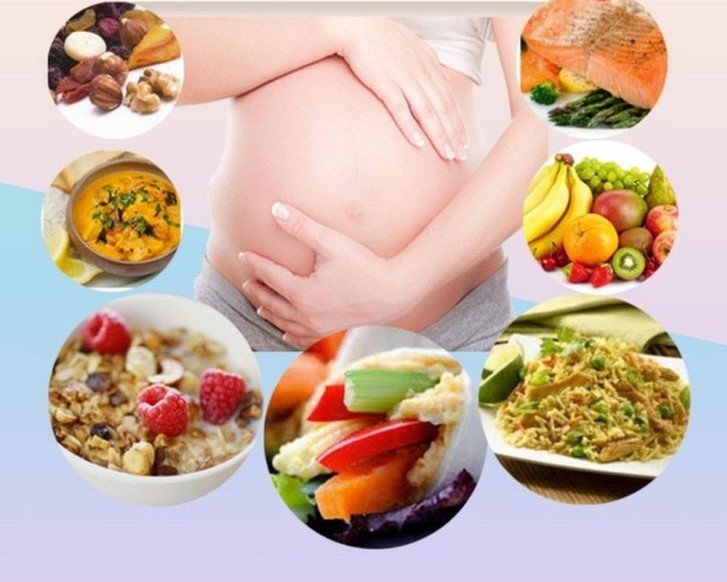
Nutrition in Pregnancy
Why Nutrition is Important in Pregnancy
- Supports Baby’s Growth & Development
Essential nutrients help in the formation of the baby’s brain, bones, organs, and overall development.
- Maintains Mother’s Health
Adequate nutrition prevents weakness, anemia, and other deficiencies in the mother.
- Reduces Risk of Complications
A healthy diet lowers the chances of conditions like gestational diabetes, high blood pressure, and low birth weight.
- Boosts Immunity
Proper intake of vitamins and minerals strengthens the immune system of both mother and baby.
Key Nutrients Required
- Folic Acid – Prevents birth defects (especially brain and spine)
- Iron – Prevents anemia and supports oxygen supply
- Calcium – Helps in baby’s bone and teeth development
- Protein – Essential for tissue growth
- Omega-3 Fatty Acids – Important for brain development
- Fiber – Prevents constipation
Recommended Foods During Pregnancy
- Green leafy vegetables (spinach, methi)
- Fresh fruits
- Milk and dairy products
- Pulses, legumes, and nuts
- Whole grains
- Eggs and lean meat (if non-vegetarian)
Foods to Avoid / Limit
- Junk and processed foods
- Excess sugar and caffeine
- Unpasteurized dairy products
- Raw or undercooked foods
Role of a Nutritionist in Pregnancy
A nutritionist helps in:
- Creating a personalized diet plan
- Managing weight gain appropriately
- Controlling medical conditions like diabetes or anemia
- Ensuring balanced intake of all nutrients
Conclusion
A healthy pregnancy starts with a healthy diet. Proper nutrition not only ensures safe delivery but also builds a strong foundation for the baby’s future health.