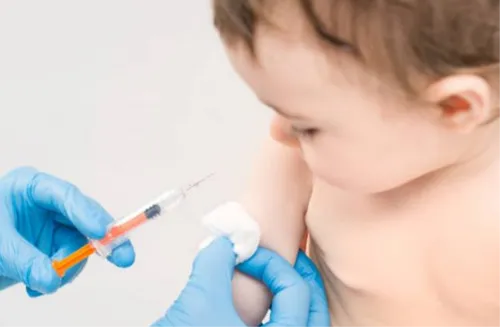
Cervical Cancer Vaccine
Cervical Cancer Vaccine (HPV Vaccine)
The cervical cancer vaccine, also known as the HPV (Human Papillomavirus) vaccine, helps protect women against infections that can lead to cervical cancer. It is a safe and effective way to prevent one of the most common cancers affecting women.
What is HPV?
HPV is a common virus transmitted through skin-to-skin contact, including sexual contact. Certain high-risk types of HPV are responsible for cervical cancer and other genital cancers.
Why is the Vaccine Important?
- Prevents majority of cervical cancer cases
- Protects against high-risk HPV types
- Reduces risk of genital warts
- Safe, effective, and widely recommended
Who Should Take the Vaccine?
- Girls aged 9–14 years (ideal age)
- Young women up to 26 years
- Can also be given up to 45 years after medical consultation
- Recommended even before marriage or sexual activity
Dosage Schedule
- 9–14 years: 2 doses (0 and 6 months)
- 15 years and above: 3 doses (0, 2, and 6 months)
Is the Vaccine Safe?
Yes, the HPV vaccine is highly safe and well-tested. Side effects are usually mild:
- Pain at injection site
- Mild fever
- Fatigue
Important Points to Remember
- Vaccine does not treat existing infection, it prevents future infection
- Regular Pap smear screening is still necessary
- Safe for most individuals; consult doctor if pregnant or having serious illness
Benefits for Society
- Reduces cervical cancer incidence
- Promotes preventive women’s health
- Protects future generations
Conclusion
Cervical cancer is largely preventable with timely vaccination and regular screening. The HPV vaccine is a powerful step toward a cancer-free future for women.