Why Periods Are Not Regular?
- Home
- /
- Why Periods Are Not Regular?
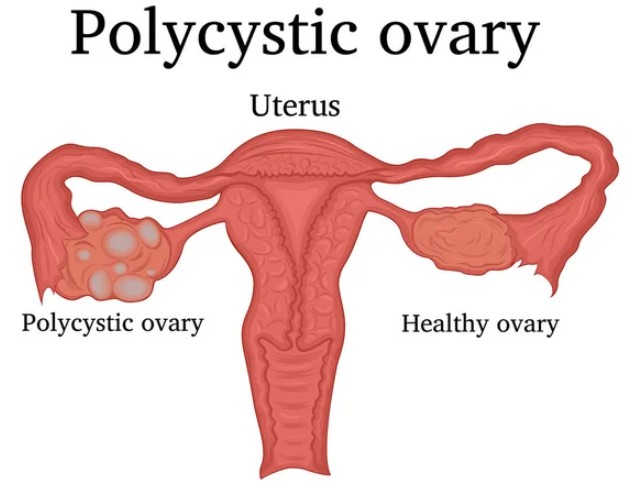
“Doctor, my periods are never on time… and my weight keeps increasing.”
This is one of the most common concerns seen in young women today. A patient, Anjali (25 years), came with similar complaints. She thought it was just stress or lifestyle, but after evaluation, she was diagnosed with PCOD (Polycystic Ovarian Disease).
If you are also facing irregular periods, weight gain, or acne, this guide will help you understand everything in a simple way.
PCOD (Polycystic Ovarian Disease), also called PCOS (Polycystic Ovary Syndrome), is a hormonal imbalance condition affecting many women.
In this condition:
Simple Example:
In a normal cycle, one egg is released every month. In PCOD, this process gets disturbed, and eggs may not release properly.
Anjali had:
You may notice:
Real-life clue:
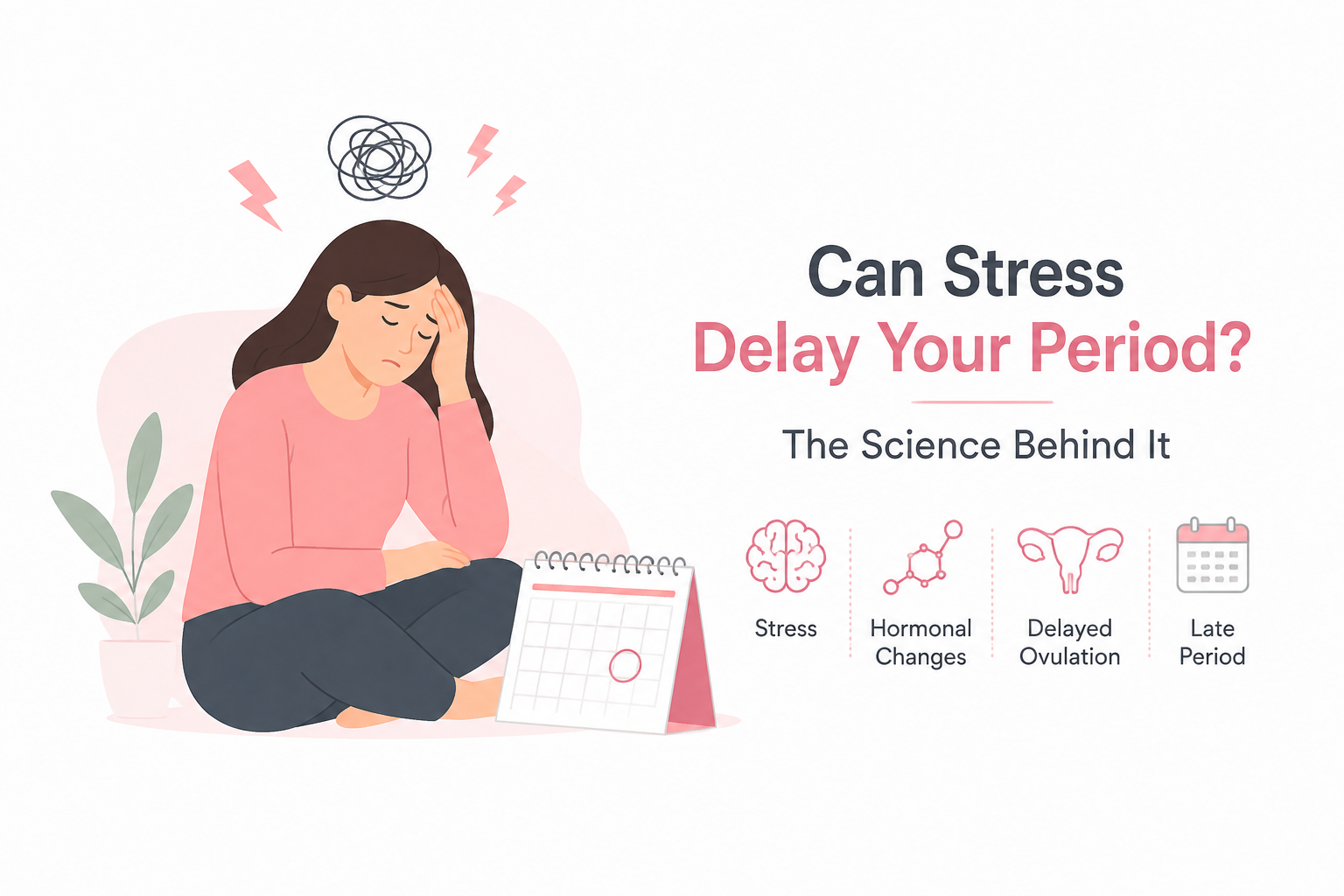
If your periods are not coming regularly, your body is giving you a signal.
The exact cause is not always clear, but common reasons include:
Example:
A sedentary lifestyle + junk food + stress can trigger or worsen PCOD.
This was Anjali’s biggest concern:
“Will I be able to get pregnant?”
Answer: Yes, pregnancy is possible with proper treatment.
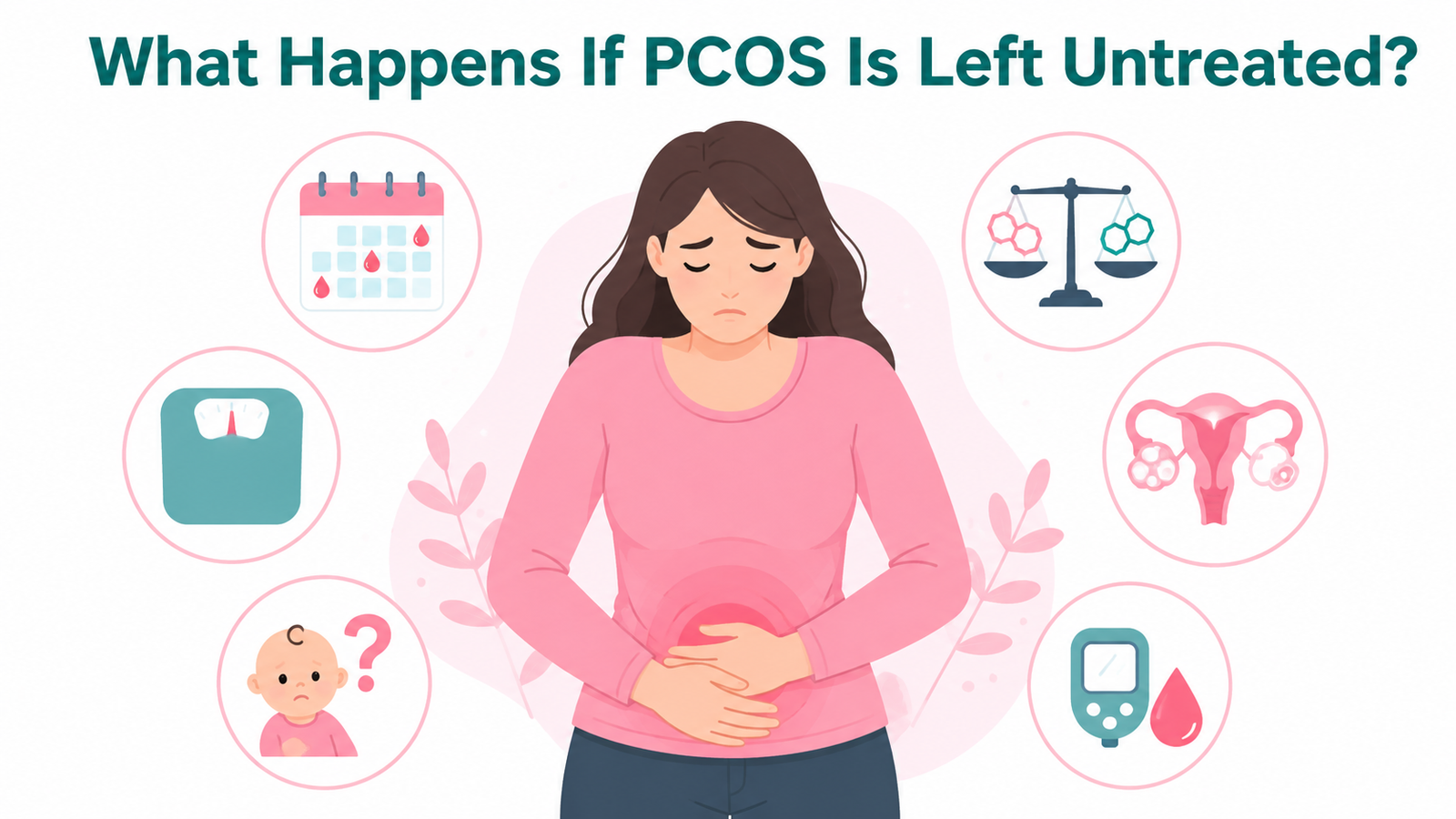
But untreated PCOD may:
Simple understanding:
If ovulation is irregular, pregnancy planning becomes difficult—but not impossible.
Diagnosis is simple:
Most women are diagnosed during routine check-ups.
Anjali was relieved to know that PCOD is manageable.
Treatment includes:
Even 5–10% weight loss can improve symptoms significantly.
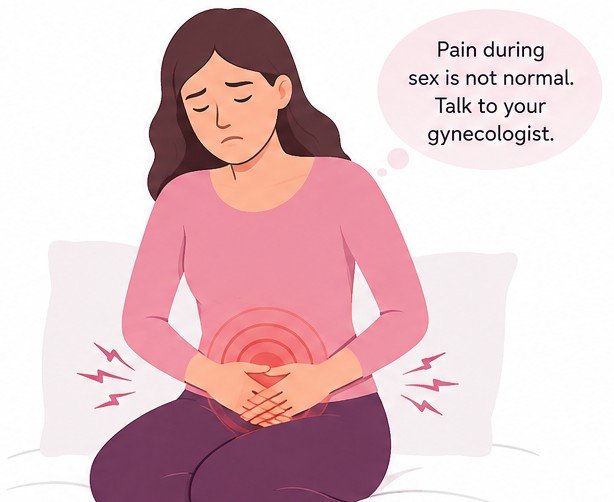
Do not ignore symptoms like:
Early treatment prevents long-term complications.
Myth: PCOD cannot be cured
Fact: It can be controlled very well with lifestyle and treatment
Myth: PCOD means no pregnancy
Fact: Many women with PCOD conceive successfully
Myth: Only overweight women get PCOD
Fact: Even thin women can have PCOD
Anjali was advised:
Small changes make a big difference.
Q. Is PCOD dangerous?
Not usually, but it should not be ignored.
Q. Can PCOD go away permanently?
It can be controlled, but lifestyle plays a key role.
Q. Can I live a normal life with PCOD?
Yes, with proper care and treatment.
Anjali followed lifestyle changes and treatment — within a few months, her periods improved and she felt more confident.
The message is simple:
PCOD is common, manageable, and treatable — if you act early.
If you are facing irregular periods, weight gain, or fertility issues, consult an expert for proper evaluation.
Services available:


.png)

.png)