Dengue Season : Important Precautions in Pregnancy
- Home
- /
- Dengue Season : Important Precautions in Pregnancy
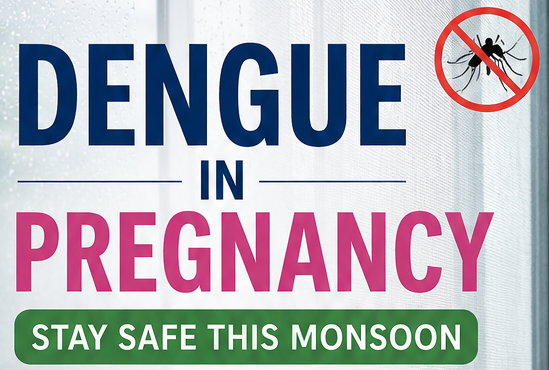
With the arrival of the monsoon season, the risk of dengue fever increases significantly. Dengue is a mosquito-borne viral infection that can be particularly dangerous during pregnancy. It may affect both the mother's health and the baby's well-being if not diagnosed and managed on time.
Pregnant women should be extra cautious during dengue season and take preventive measures to avoid mosquito bites and infections.
Dengue is a viral infection caused by the dengue virus and transmitted through the bite of infected Aedes mosquitoes, which usually bite during daytime.
Dengue cases generally rise during and after the rainy season due to water accumulation and mosquito breeding.
Dengue infection during pregnancy can increase the risk of:
Early diagnosis and medical supervision are crucial for a healthy pregnancy outcome.
Watch for these warning signs:
✅ High fever (102°F–104°F)
✅ Severe headache
✅ Pain behind the eyes
✅ Joint and muscle pain
✅ Extreme weakness and fatigue
✅ Nausea and vomiting
✅ Skin rash
✅ Low platelet count
✅ Bleeding from gums or nose (in severe cases)
If you experience any of these symptoms, contact your gynecologist immediately.
Mosquitoes breed in stagnant water.
Regularly check:
Keep your surroundings clean and dry.
Hydration is extremely important during pregnancy.
Drink:
Proper hydration helps maintain blood circulation and overall health.
Include immunity-supporting foods:
A balanced diet helps your body fight infections.
Routine pregnancy visits help detect any health issues early.
Never skip scheduled:
Many medicines are not safe during pregnancy.
Do not take:
❌ Painkillers without prescription
❌ Antibiotics without consultation
❌ Herbal medications without medical advice
Always consult your gynecologist before taking any medication.
If you develop fever during pregnancy:
Early treatment significantly reduces complications.
Visit the hospital immediately if you experience:
Severe abdominal pain
Persistent vomiting
Difficulty breathing
Vaginal bleeding
Reduced fetal movements
Excessive weakness or dizziness
Bleeding gums or nose
These may indicate severe dengue and require urgent medical attention.
Family support is important during pregnancy.
Help pregnant women by:
At Shubham Care Hospital, Jaipur, we provide comprehensive maternity and high-risk pregnancy care with advanced diagnostic and emergency support.
✔ Routine Pregnancy Check-Ups
✔ High-Risk Pregnancy Management
✔ Ultrasound & Fetal Monitoring
✔ Emergency Obstetric Care
✔ Normal Delivery & Cesarean Section
✔ Gynecological Treatments
✔ Expert Women's Healthcare Services
Senior Obstetrician & Gynecologist
Consultant Obstetrician & Gynecologist
Shubham Care Hospital
201, Girraj Nagar, Iskcon Temple Road, Mansarovar, Jaipur, Rajasthan
Appointment & Emergency: +91 95094 38568
Dengue can be serious during pregnancy, but with proper precautions, early detection, and expert medical care, most complications can be prevented. During the monsoon season, focus on mosquito protection, hydration, nutrition, and regular prenatal check-ups to keep both mother and baby safe.
If you experience fever or any dengue-related symptoms during pregnancy, seek medical attention immediately.
Stay Safe. Stay Protected. Enjoy a Healthy Pregnancy with Expert Care at Shubham Care Hospital, Jaipur.


.png)

.png)