Fertility & Reproductive Health
- Home
- /
- Fertility & Reproductive Health
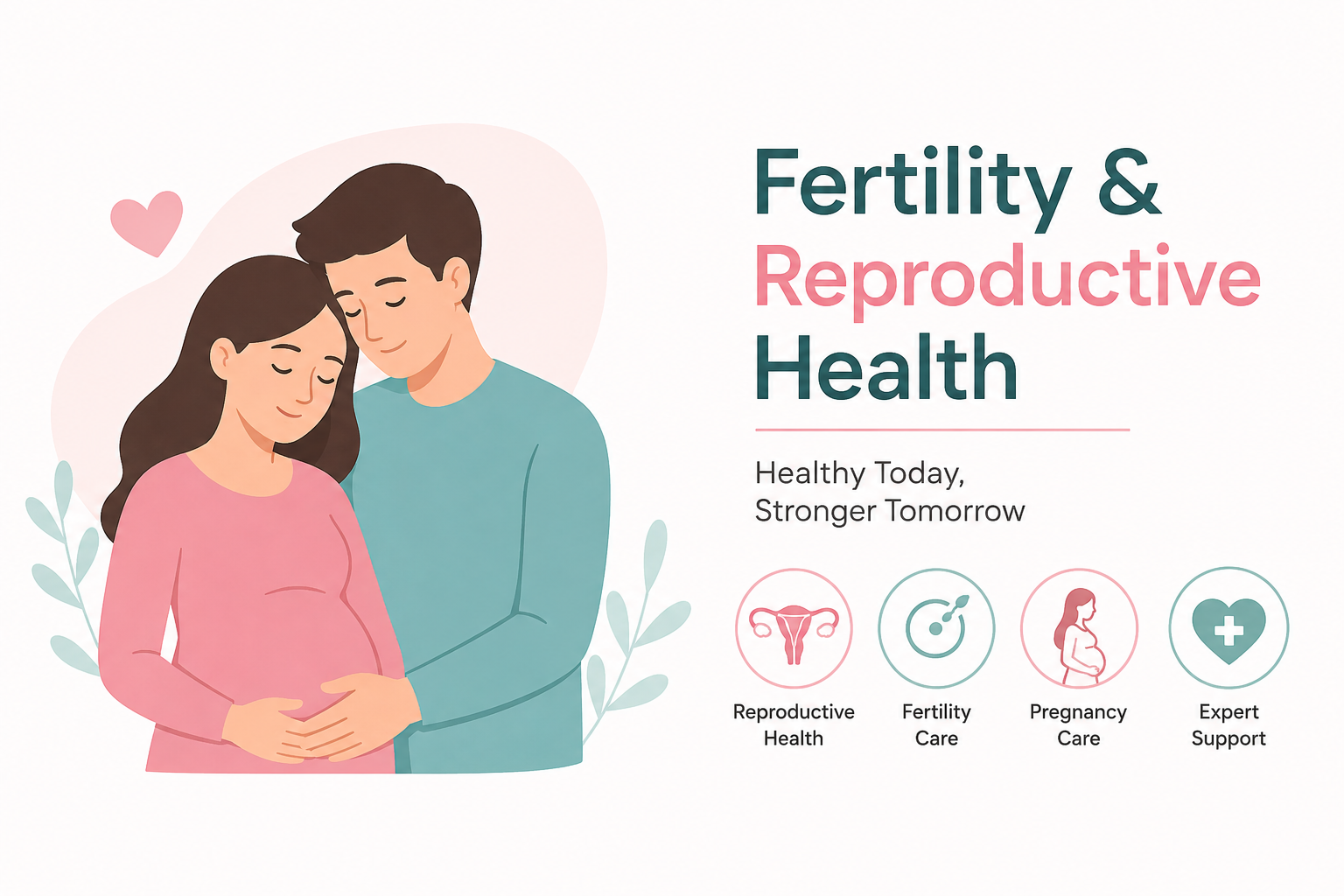
Fertility and reproductive health are important parts of every woman's and couple's overall well-being. Whether you are planning your first baby, trying to conceive after marriage, or facing fertility challenges, understanding your reproductive health can help you make informed decisions and improve your chances of a healthy pregnancy.
Reproductive health refers to the proper functioning of the reproductive system throughout every stage of life. It includes healthy menstrual cycles, hormonal balance, ovulation, pregnancy care, family planning, menopause, and the prevention and treatment of reproductive disorders.
Fertility is the natural ability to conceive a pregnancy. A healthy egg, healthy sperm, regular ovulation, open fallopian tubes, and a healthy uterus all play an important role in successful conception.
Infertility can affect both women and men. Some common causes include:
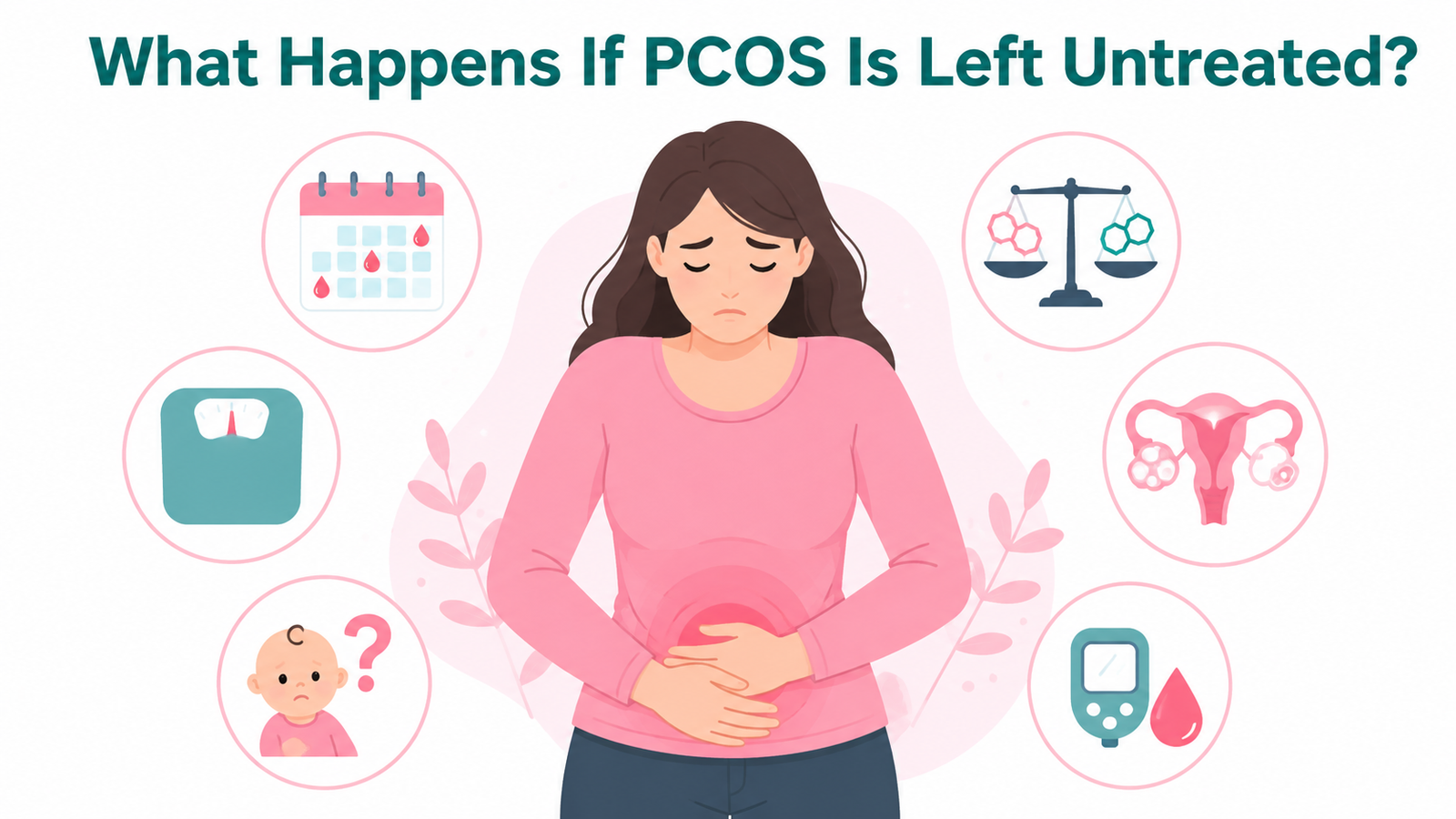
PCOS (Polycystic Ovary Syndrome)
Blocked fallopian tubes
Endometriosis
Uterine fibroids
Hormonal imbalance
Irregular ovulation
Low sperm count or poor sperm quality
Age-related decline in fertility
Obesity, smoking, alcohol, and stress
You should seek medical advice if:
You have been trying to conceive for more than one year (or six months if you are over 35).
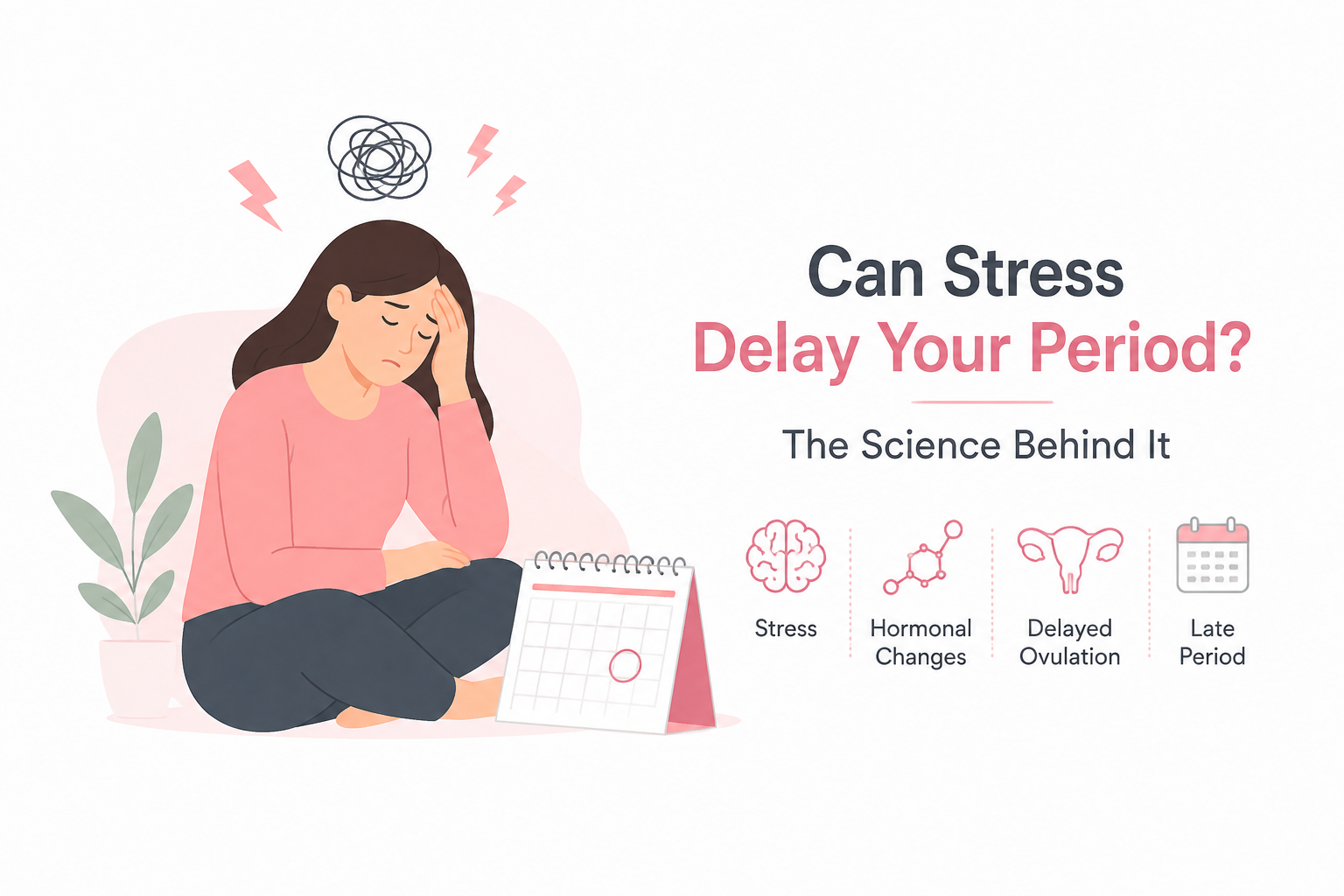
Your periods are irregular or absent.
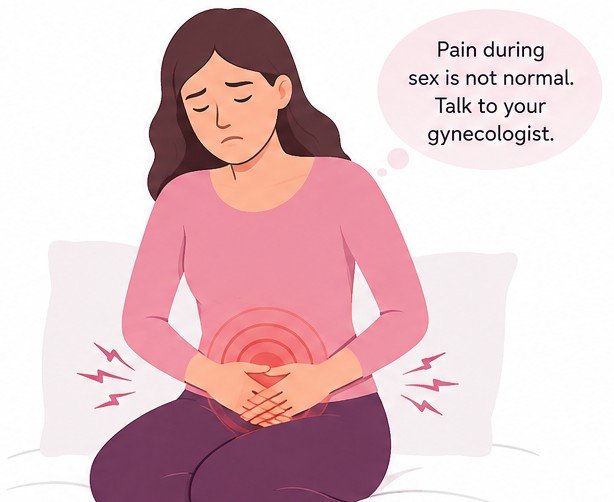
You experience severe menstrual pain.
You have had repeated miscarriages.
You have a history of pelvic infections or surgery.
Your partner has known sperm-related issues.
Simple lifestyle changes can improve reproductive health:
Maintain a healthy body weight.
Eat a balanced diet rich in fruits, vegetables, protein, and whole grains.
Exercise regularly.
Sleep 7–8 hours every night.
Manage stress through yoga or meditation.
Avoid smoking, alcohol, and tobacco.
Take folic acid and other supplements only on your doctor's advice.
A fertility assessment may include:
Hormonal blood tests
Ultrasound scan
Ovulation monitoring
Hysteroscopy or laparoscopy (when needed)
Semen analysis for the male partner
Tubal patency tests (HSG)
Treatment depends on the underlying cause and may include:
Lifestyle modifications
Ovulation induction medicines
Follicular monitoring
IUI (Intrauterine Insemination)
IVF (In Vitro Fertilization)
Laparoscopic surgery for fertility-enhancing procedures
Treatment of hormonal disorders and thyroid problems
Nearly half of infertility cases involve male factors. Both partners should undergo evaluation together for accurate diagnosis and timely treatment.
Fertility problems are common and treatable. Early diagnosis, a healthy lifestyle, and expert medical care can significantly improve the chances of pregnancy. If you have concerns about your reproductive health, don't delay seeking professional advice. The earlier the evaluation, the better the treatment options.
Shubham Care Hospital, Jaipur offers comprehensive fertility evaluation, reproductive health counseling, advanced gynecological care, laparoscopic surgery, pregnancy care, and personalized treatment plans to help couples achieve their dream of parenthood.
Keywords: Fertility, Reproductive Health, Infertility Treatment, Women's Health, PCOS, IVF, IUI, Pregnancy Planning, Ovulation, Fertility Specialist Jaipur, Gynecologist Jaipur, Reproductive Medicine, Fertility Care, Male Infertility, Female Infertility.

.png)

.png)