Stop Feeling Ashamed About Periods and Menopause
- Home
- /
- Stop Feeling Ashamed About Periods and Menopause
Even in 2026, many women still feel embarrassed to talk about periods and menopause. These are completely natural stages of life, yet they are often treated as secret topics. Because of this silence, many girls and women suffer without proper knowledge, support, or medical care.
It is time to change this thinking. Instead of shame, we should choose awareness, education, and open conversations. When we talk freely about menstrual health and menopause, we help women live healthier, happier, and more confident lives.
Every month, millions of women experience periods. Menstruation is a normal biological process that shows the reproductive system is working naturally. It is not dirty, impure, or something to hide.
Unfortunately, many girls still grow up hearing myths like:
These beliefs can create fear, shame, and confusion. The truth is that understanding menstrual health helps girls take better care of themselves and recognize when something is not normal.
Menopause usually happens between 45 and 55 years of age. It marks the natural end of menstrual periods, but it does not mean the end of an active or healthy life.
Women may experience:
Many women silently tolerate these symptoms because they think nothing can be done. In reality, lifestyle changes, counseling, and medical treatment can greatly improve quality of life.
Open conversations help women:
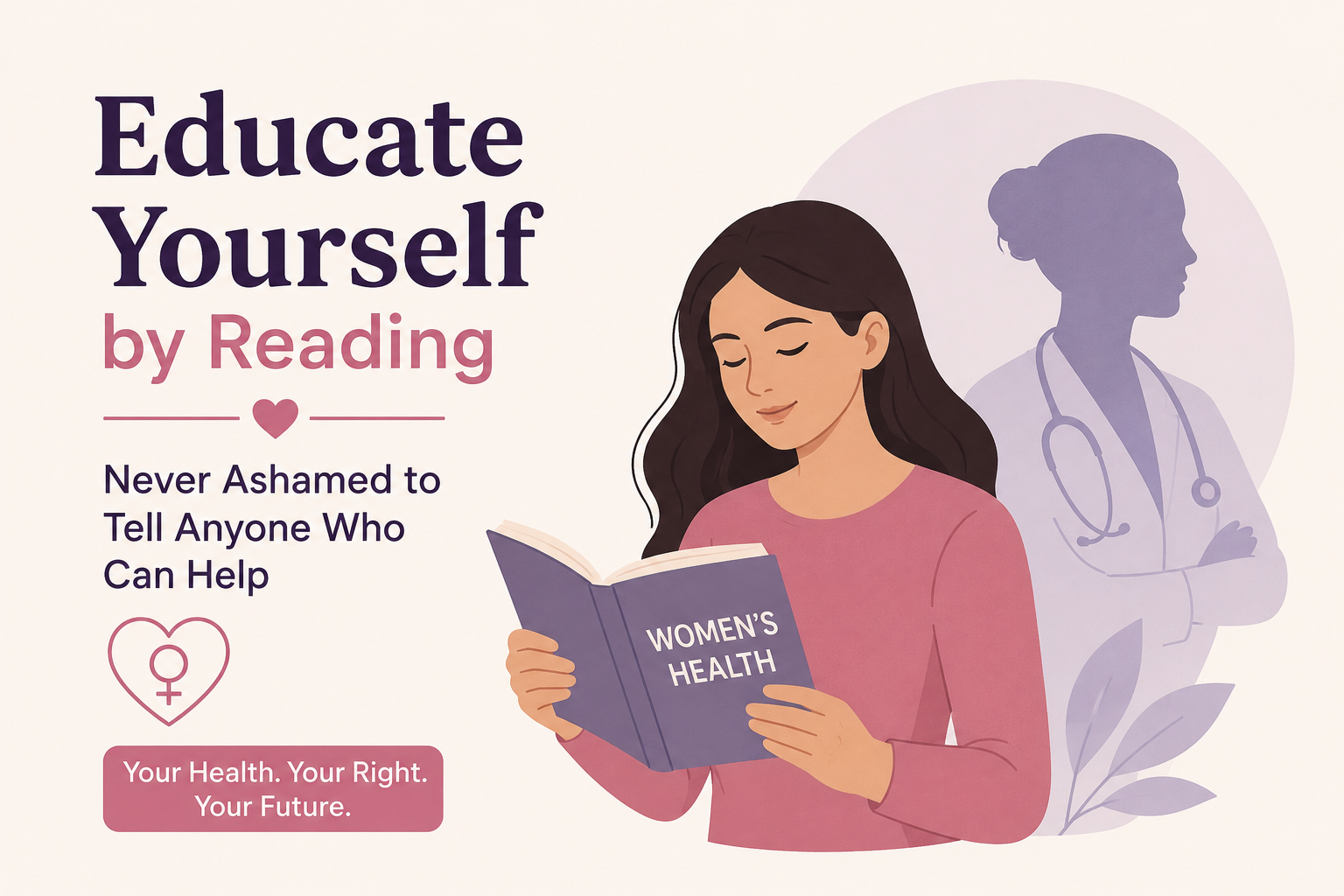
Education is one of the most powerful medicines for women's health.
Periods and menopause are not "women-only conversations." Fathers, husbands, brothers, sons, teachers, and employers should also understand these natural life stages.
When families and workplaces become supportive, women feel more comfortable discussing their health and getting the care they need.
Many of the myths and silence around periods and menopause have been passed down from older generations—not because they wanted to harm anyone, but because they often did not have access to proper health education. In the past, these topics were considered private or even taboo, so many mothers and grandmothers followed traditions without knowing the scientific facts.
Today, medical knowledge has improved, and it is important for every generation to learn together. Parents and grandparents should understand that talking openly about periods and menopause is not disrespectful—it is a way to protect the health and well-being of daughters, daughters-in-law, sisters, and mothers. Instead of saying, "This is how it has always been," we should ask, "What does science tell us today?"
When older family members support open conversations, young girls feel less afraid to ask questions, women seek medical help earlier, and families become more understanding and caring. Respecting our traditions is important, but updating our knowledge with modern medical science is equally important. Awareness across all generations can help end unnecessary shame and create a healthier future for every woman.
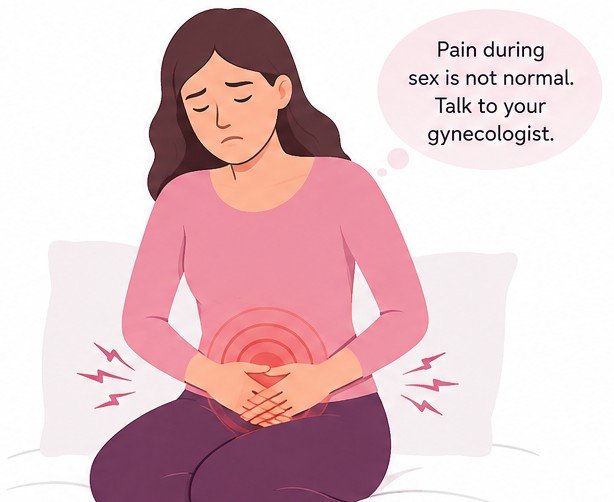
Do not ignore symptoms such as:
Early diagnosis can help identify conditions like PCOS, fibroids, endometriosis, thyroid disorders, or hormonal imbalance, allowing timely treatment.
Periods and menopause are not topics to whisper about—they are normal parts of every woman's life. Every conversation helps reduce stigma and encourages women to seek the care they deserve.
By educating ourselves, supporting each other, and speaking openly, we can build a healthier future for girls and women everywhere.
Remember:
There is no shame in having periods. There is no shame in menopause. The only thing we should be ashamed of is allowing myths and silence to prevent women from getting the care they need.
If you have concerns about period problems, irregular periods, painful menstruation, menopause symptoms, hormonal imbalance, PCOS, fibroids, infertility, or any gynecological condition, consult an experienced gynecologist.
Dr. Shailesh Jain
Senior Consultant Obstetrician, Gynecologist & Laparoscopic Surgeon
Shubham Care Hospital, Jaipur
Our team is dedicated to providing compassionate, evidence-based care for women at every stage of life—from adolescence to menopause and beyond.
SEO Title: Why We Should Stop Feeling Ashamed to Talk About Periods and Menopause | Women's Health Awareness
Meta Description: Learn why talking openly about periods and menopause is important for every woman. Read this simple guide to break myths, improve health, and spread awareness.
Focus Keyword: Periods and Menopause Awareness
SEO Keywords: periods awareness, menopause awareness, menstrual health, women's health, menstrual hygiene, menopause symptoms, period education, women's wellness, menstrual myths, menopause treatment, healthy menopause, menstrual cycle, gynecologist advice, women's healthcare, pregnancy and periods, hormonal health, menstrual health awareness, menopause support, gynecologist Jaipur, women's health education.
Periods are natural. Menopause is natural. Talking about them should be natural too.
Let's replace silence with knowledge, myths with science, and shame with confidence. Together, we can create a society where every woman feels heard, respected, and empowered.
.png)
.png)