What Happens If PCOS Is Left Untreated?
- Home
- /
- What Happens If PCOS Is Left Untreated?
SEO Title: What Happens If PCOS Is Left Untreated? Risks, Symptoms & Treatment
Meta Description: Wondering what happens if PCOS is left untreated? Learn about the long-term health risks, infertility, diabetes, weight gain, and effective treatment options in simple English.
Focus Keywords: What Happens If PCOS Is Left Untreated, PCOS symptoms, PCOS treatment, untreated PCOS, polycystic ovary syndrome, irregular periods, infertility, hormonal imbalance, weight gain, insulin resistance
Polycystic Ovary Syndrome (PCOS) is one of the most common hormonal disorders in women of reproductive age. Millions of women have PCOS, but many do not know they have it because the symptoms can develop slowly. Irregular periods, acne, unwanted facial hair, weight gain, and difficulty getting pregnant are some of the most common signs. PCOS is not just a period problem—it affects the entire body, including hormones, metabolism, and fertility.
Ignoring PCOS can lead to serious health problems over time. While the symptoms may seem manageable at first, untreated PCOS can affect your reproductive health, heart health, and overall quality of life. The good news is that early diagnosis and proper treatment can greatly reduce these risks.
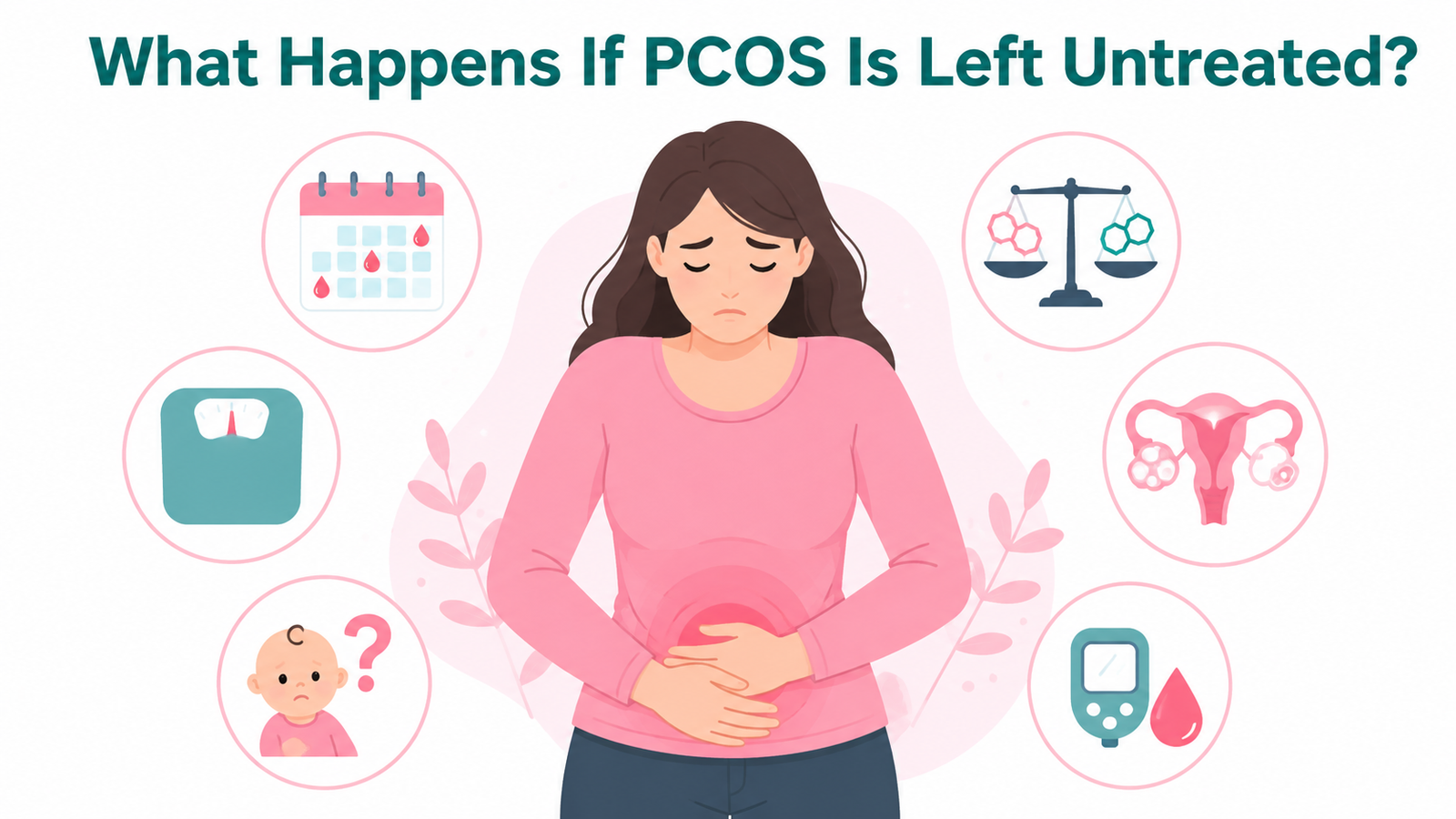
One of the earliest signs of PCOS is irregular or missed periods. When periods do not occur regularly, the lining of the uterus can become thicker than normal. Over many years, this may increase the risk of abnormal uterine changes. Regular menstrual cycles are important for maintaining a healthy uterus.
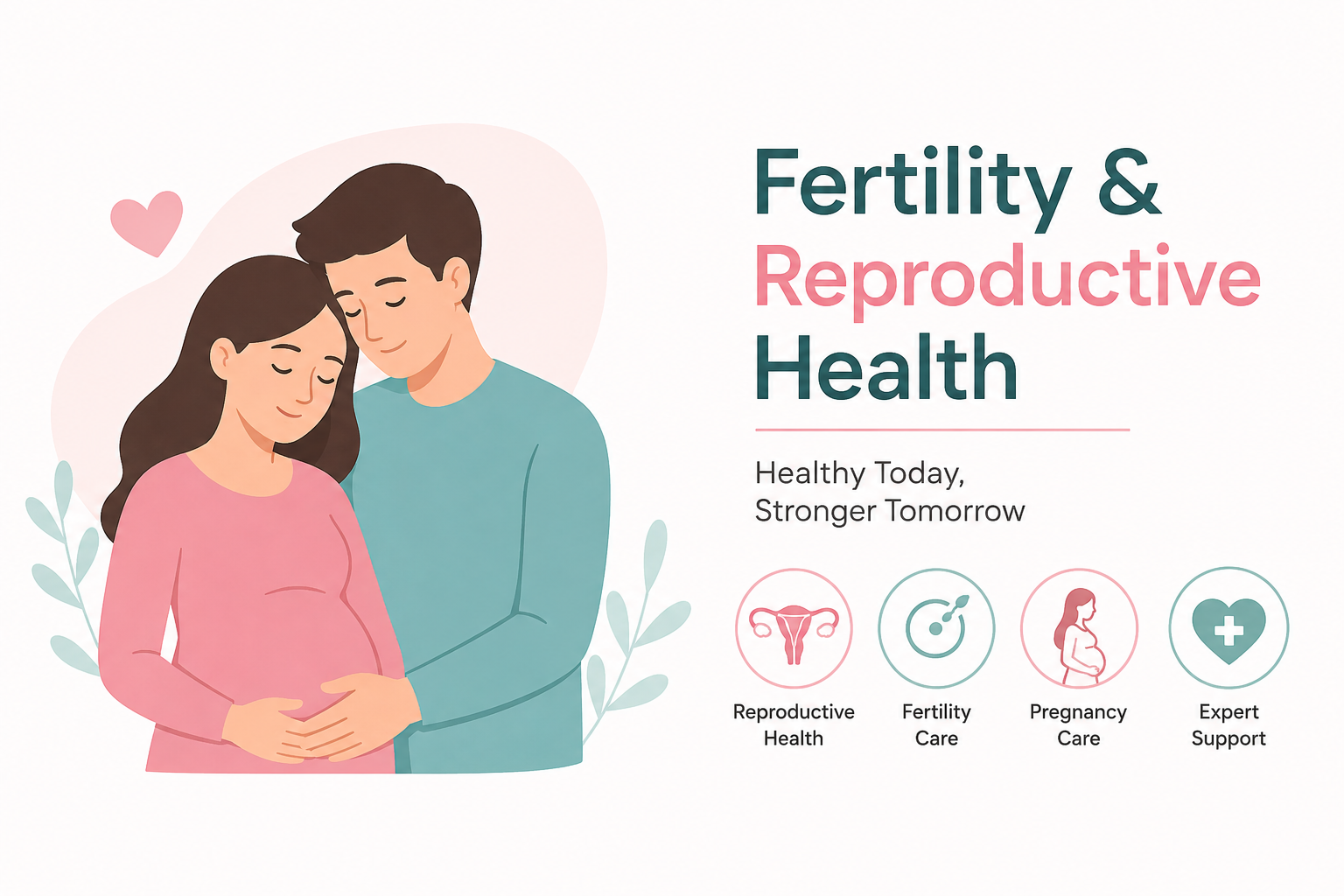
PCOS is one of the leading causes of infertility because many women do not release an egg every month. Without regular ovulation, getting pregnant naturally becomes more difficult. However, many women with PCOS successfully conceive after lifestyle changes, medicines, or fertility treatments recommended by a gynecologist.
Many women with PCOS develop insulin resistance, which makes it harder for the body to use insulin properly. This often leads to weight gain, especially around the abdomen. Extra weight can make PCOS symptoms worse and create a cycle that is difficult to break without proper guidance.
If insulin resistance continues without treatment, the risk of developing Type 2 diabetes increases. Regular blood sugar testing, healthy eating, exercise, and medical care can help reduce this risk significantly.
Untreated PCOS may increase the chances of high blood pressure, unhealthy cholesterol levels, and heart disease later in life. Maintaining a healthy lifestyle and regular medical check-ups can protect your heart and overall health.
PCOS affects more than physical health. Many women experience stress, anxiety, low self-confidence, or depression because of weight gain, acne, excess facial hair, or fertility concerns. Emotional well-being is an important part of PCOS treatment and should never be ignored.
Women with PCOS are more likely to develop sleep disorders such as obstructive sleep apnea, especially if they are overweight. Poor sleep can worsen fatigue, hormone imbalance, and insulin resistance.
When periods remain absent for several months, the uterine lining may continue to build up without regular shedding. Over many years, this can increase the risk of endometrial hyperplasia, which may increase the risk of endometrial cancer in some women if not treated. Regular medical follow-up and proper treatment help lower this risk.
Yes. Although there is no permanent cure for PCOS, it can be managed very effectively. Treatment depends on your symptoms and future pregnancy plans. Healthy eating, regular exercise, weight management, medicines to regulate periods, treatment for insulin resistance, and fertility treatments when needed can help women live healthy and active lives.
You should consult a gynecologist if you have irregular periods, excessive facial hair, severe acne, unexplained weight gain, difficulty getting pregnant, or repeated ovarian cysts. Early diagnosis can prevent long-term complications and improve your overall health.
PCOS should never be ignored. It is a long-term hormonal condition that can affect your periods, fertility, metabolism, heart health, and emotional well-being. The earlier it is diagnosed, the easier it becomes to manage. With the right medical care and healthy lifestyle changes, most women with PCOS can enjoy a healthy life and achieve their pregnancy goals.
At Shubham Care Hospital, we provide comprehensive diagnosis and treatment for PCOS, irregular periods, infertility, hormonal disorders, ovarian cysts, and high-risk pregnancy care. Our experienced gynecology team offers personalized treatment plans focused on improving both reproductive and overall health.
Consultant: Dr. Shailesh Jain
MBBS, DGO, DNB | Consultant Gynecologist & Laparoscopic Surgeon
Book your consultation today for early diagnosis and the right PCOS treatment.
Can PCOS go away without treatment?
No. PCOS usually does not disappear on its own, but its symptoms can be effectively managed with proper treatment and lifestyle changes.
Can thin women also have PCOS?
Yes. PCOS can affect women of any body weight.
Is PCOS curable?
There is no permanent cure, but the condition can be successfully controlled with long-term care.
Can I get pregnant if I have PCOS?
Yes. Many women with PCOS become pregnant naturally or with fertility treatments after proper evaluation.
Primary Keywords:
What Happens If PCOS Is Left Untreated, untreated PCOS, PCOS treatment, PCOS symptoms
Secondary Keywords:
polycystic ovary syndrome, irregular periods, infertility treatment, hormonal imbalance, insulin resistance, weight gain in women, ovarian cyst symptoms, fertility specialist, women's hormonal health, gynecologist near me
Long-Tail Keywords:
What are the risks of untreated PCOS?
Can untreated PCOS cause infertility?
Is PCOS dangerous if left untreated?
Long-term effects of PCOS
PCOS complications in women
Best treatment for PCOS naturally and medically
How to manage PCOS symptoms
Early signs of PCOS in women
Can PCOS lead to diabetes?
PCOS and pregnancy complications
.png)
.png)