Endometriosis & Pelvic Pain
- Home
- /
- Endometriosis & Pelvic Pain
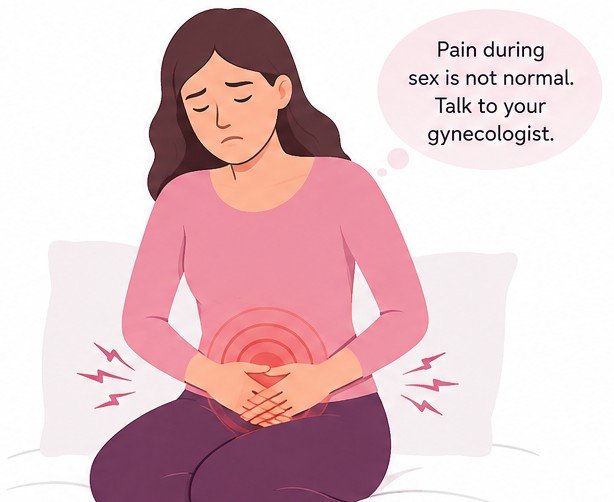
Endometriosis, however, is more than just period pain. Sometimes it can lead to chronic pelvic pain that is impacting many areas of life including the way women can function at work and home, as well as their mental health, the relationship dynamic and sexuality including deep sexual pain.
The lesions of endometriosis can spread deeper in the pelvic area invading nearby tissues such as the region surrounding the vagina, rectovaginal area, bowel and bladder, uterosacral ligaments or pelvic sidewall. This deeper infiltration is referred to as “deep infiltrating endometriosis” (or deep endometriosis).
Endometriosis is an inflammatory disease which has become established. Endometrial tissue (similar to the tissue that lines the uterus ) implants itself outside of the uterus.
These implants can irritate, scar and cause inflammation and adhesions outside the uterus.
Chronic pain (such as pelvic pain, dyspareunia , dysmenorrhea, and bowel and bladder disease ) results and causes issues with fertility in many women. Not all of the women have similar symptoms, as some with no visible evidence have the condition with severe pain, and still others with severe evidence have very minimal pain.
This form of endometriosis involves the infiltration of endometrial implants into the structures of the pelvis such as deep within those tissues.deep infiltrating endometriosis may affect deep into tissues such as: uterusacral ligaments utersacral ligamentstheservix the vaginatherectovaginalthumbsuccessbag of Douglas (a pouch between the uterus and rectum)bowel: various locations including the rectum, colon and small intestine the uretersthe urinary bladderThe pelvic wallDeep and extensive endometriotic growth into pelvic tissue often causes scarring, inflammation, and adhesion around pelvic and adjacent organs. Those that may develop deep into tissues which may be sensitive to deep pressures may feel this during coitus.
The Most Common sexual symptoms The most frequent sexual symptom that is seen with Endometriosis is deep Dyspareunia or pain during sex. With deep endometriosis the deep penetration may cause painful spots, or scar tissues to be pressured.
The movements cause scarring and inflammation in thepelvis to be pulled upon.
As aresult deep sexual painfear Painan increase in physical stiffnessin the muscles and further painresult more avoidce in sexual activity. Whenthis becomes more than physical With time this continuesbeyond aphysical pain issueaffecting partners confidence and also their feelings of love making sex confidence and how strongly bonded. Studies are almost universally associated endometrioses with deep pain and female sexual health and. A meta-analysis indicated that women with endometriosis reported significantly worse scores across numerous women sexual health outcome domains including desire, lubrication, orgasm, arousal, sexual satisfaction and pain.
When sex is often painful for a woman, the couple will begin changing the sex lives slowly. The woman may think: "I wish I could have sex with my partner but I am afraid it will hurt." The partner may think: "Is she avoiding me?"
Neither of the parties may recognize that untreated pelvic pain is the problem.
This is the reason as to why talking in a straightforward manner between the parties in a relationship is very crucial. Both parties should comprehend that pain is a symptom of a physical illness rather than proof that no love or intimacy exists in their sex life. With some women sexual complications continue even if pain reduces. This because they start feeling so fearful of pain that it is accompanied by pelvic floor muscles tension, emotional distress and couple concerns that together contribute to perpetuating cycle of pain.
The evaluation process can start with an extensive discussion of symptoms, menstrual history, pain with intercourse, bowel or bladder complaints, plans for reproduction and any treatments history you may have. Your Gynecologist may then choose to proceed with pelvic exam as well as further imaging which might include specialist transvaginal ultrasound orMRI scansdepending on your symptoms and location of disease.
Currently ACOG guidelines stress clinical assessment and imaging with clinical correlation in the diagnostic work up of possible endometiosis, including possible deep pelvic endometriosis.
A negative scan does not make endometriosis impossible; the interpreting sonographer or radiologist’s skills may play role in suspecting deep disease.
Surgery isn't always necessary for every woman with endometriosis.
The treatment will be based on symptoms, site of the disease, its severity, fertility goals, past treatments and woman's preference.
Depending on the case, doctors might prescribe pain medications as necessary to manage symptoms.
Hormonal treatments can often control the disease activity and pain of endometriosis.
Laparoscopic surgery can be offered in certain women, to remove or treat the endometriotic deposits and adhesions.
For deep endometriosis, surgery can be technically challenging as the lesions may involve the bowel, bladder, ureters, vagina or other pelvic structures. As such thorough pre-operative evaluation and experienced surgical care should be sought.
If pregnancy is a desired outcome, treatment should be planned accordingly. Endometriosis can be linked to infertility and management should take into consideration age, ovarian reserve, the severity of disease, and fertility objectives.
The more a woman is able to manage pain with their endometriosis, the higher her quality of life and better the impact on her sexual relations. But addressing the lesion alone may not improve sexual issues in every case.
Some women are still left with pelvic-floor tight muscles, fear of pain, low libido or relationship issues after medical treatment.
That's why more is often more. Treatment may look like, depending on the patient:Gynecologist + endometriosis surgeon + pelvic-floor physiotherapist + pain specialist + psychologist / sex therapistThe goal is to not just enable intercourse. The goal is to restore comfort and intimacy, as well as build up a woman's ability to enjoy her sex life to the fullest.
There are some signs and symptoms such as pain that you should consider visiting a gynecologist. Pain caused by intercourse; ongoing pelvic pain or Pain in periods – prolonged or extremely heavy if these conditions affect your daily activities 6 or more days of moderate to heavy bleeding every month.
1. Pain when urinating
2. Pain during or after intercourse
3. Pain during or after bowel movements that are connected to menstruation; painful intercourse
A gynecologist would suggest that someone see them at their earliest possible opportunity, so they would investigate the reason behind their suffering. The current advice is also to avoid people who delay investigation as that will increase the chances that they will suffer from the more aggressive type of endomerosis that would involve deeper growth, including penetration by 2-12 inches.
Early evaluation can help identify the possible cause and create an individualized treatment plan. Current guidance also aims to reduce delays in diagnosis and treatment for people with symptoms suggestive of endometriosis.
If your endometriosis and pelvic pain are impacting the way you enjoy intimacy, and your deep infiltrating endometrial implants bring on deep dyspareunia, don't keep it to yourself. Taking the pelvic pain and its relationship to sexual health can allow you to get help and discover solutions earlier than later. If you're experiencing painful sex which impacts your relationship, confidence or overall well-being don't suffer in silence. You'll feel better when you partner with an experienced gynecologist or endometriosis specialist.
Long-tail Google keywords:
Why does endometriosis cause pain during sex?
Can deep endometriosis cause painful intercourse?
What is deep infiltrating endometriosis?
How does endometriosis affect sexual health?
Can endometriosis cause chronic pelvic pain?
Can endometriosis affect intimacy and relationships?
How is deep infiltrating endometriosis diagnosed?
What are the symptoms of deep endometriosis?
Can laparoscopic surgery treat deep endometriosis?
When should I see a doctor for painful sex?
Endometriosis and Pelvic Pain: How Does Deep Endometriosis Cause Issues with sexual wellness The main article is to understand and give a glimpse to an affected woman the meaning of Endometriosis, pelvic pain, deep infiltrating lesions of Endometriosis and their impact on sex, sexual wellness. We should cover, definition, cause, symptom, diagnosis and treatment including management or remedies in depth without overcomplicating with complex medical terms.
endometriosis and Pelvic pain: Deep Infiltrating Endometriosis symptoms, sex pain diagnosis treatment & management
What is endometriosis and how deep infiltrating lesion may cause Pelvic Pain? This informative article on Endometriosis and deep endometriosis explains its symptoms, effect on painful sex, sexual wellness and treatment plan. Learn about management strategies.
The Main Article Content: endometriosis and pelvic pain the problem of sexual health

.png)

.png)