Signs of Pregnancy: Early Symptoms
- Home
- /
- Signs of Pregnancy: Early Symptoms

Pregnancy is one of the most exciting moments in a woman's life. However, many women are confused about the first signs of pregnancy because the symptoms can look similar to premenstrual (PMS) symptoms. Knowing the early pregnancy symptoms can help you take the right steps at the right time for a healthy pregnancy.
If you think you may be pregnant, understanding these early signs and consulting an experienced gynecologist can make a big difference for both mother and baby.
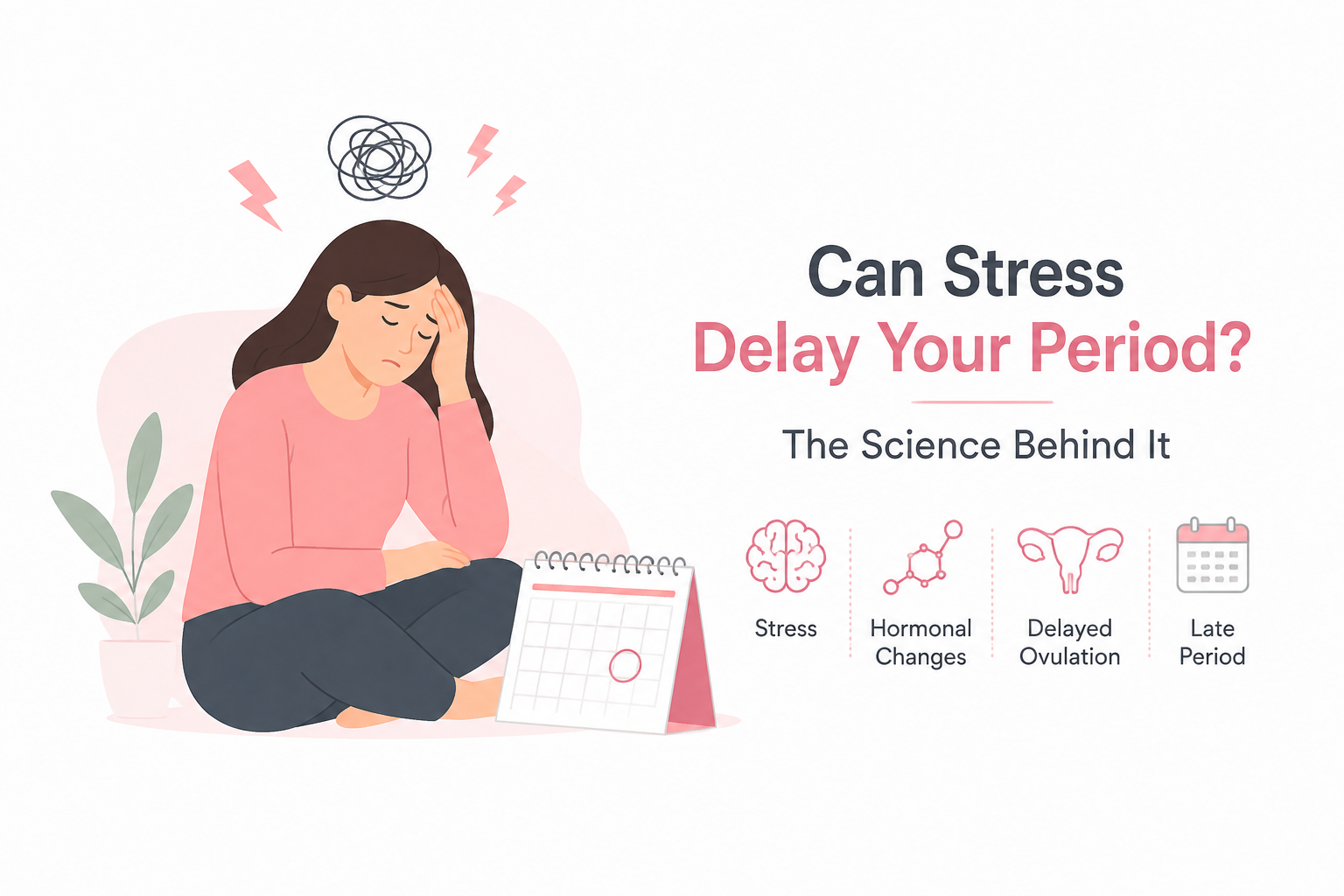
A missed menstrual period is usually the first and most noticeable sign of pregnancy. If your periods are regular and you miss one, it is a good idea to take a home pregnancy test. However, stress, hormonal imbalance, thyroid problems, or PCOS can also delay periods, so medical confirmation is important.
Many women experience nausea or vomiting during the first trimester. Despite its name, morning sickness can happen at any time of the day. It usually begins around the 5th or 6th week of pregnancy and is caused by hormonal changes.
Your breasts may become swollen, tender, heavier, or more sensitive than usual. The nipples may become darker, and the veins on the breasts may become more visible. These changes often appear very early in pregnancy.
Feeling unusually tired without much physical activity is another early pregnancy symptom. Increased progesterone hormone levels make many women feel sleepy and exhausted during the first few weeks.
If you suddenly feel the need to urinate more often, pregnancy may be one of the reasons. Hormonal changes increase blood flow to the kidneys, leading to frequent urination even in early pregnancy.
Some women notice light bleeding or spotting about 6–12 days after conception. This is called implantation bleeding and is usually lighter than a normal period. Mild abdominal cramps may also occur. However, heavy bleeding or severe pain should never be ignored.
Many pregnant women develop unusual food cravings or dislike foods they once enjoyed. Strong smells like perfumes, cooking spices, or coffee may suddenly become unpleasant.
Hormonal changes during early pregnancy can affect emotions. You may feel happy one moment and emotional or irritable the next. These mood changes are common and usually temporary.
Pregnancy hormones slow digestion, which can cause bloating, gas, and constipation during the early weeks.
If you have several pregnancy symptoms, take a home urine pregnancy test after your missed period. For more accurate confirmation, your doctor may advise a Serum Beta-hCG blood test and an early pregnancy ultrasound.
Do not wait until you have many symptoms. Visit a gynecologist if:
Early antenatal care helps identify any risks and ensures proper care from the beginning.
Once pregnancy is confirmed:
Yes. Every pregnancy is unique. Some women experience many symptoms, while others have very few. Some may not experience morning sickness at all. The absence of symptoms does not always mean there is a problem. Regular medical check-ups are the best way to monitor a healthy pregnancy.
The first trimester is a crucial period because the baby's organs begin to develop during this time. Early diagnosis helps detect ectopic pregnancy, multiple pregnancy, and other conditions that require timely treatment. Proper prenatal care also reduces the risk of pregnancy complications.
If you think you may be pregnant or have missed your period, do not delay your consultation.
Dr. Shailesh Jain (MBBS, DGO, DNB) is an experienced Consultant Obstetrician & Gynecologist providing complete pregnancy care, early pregnancy evaluation, high-risk pregnancy management, ultrasound guidance, normal delivery, and cesarean section care.
Shubham Care Hospital offers:
Recognizing the early signs of pregnancy helps you begin proper prenatal care as soon as possible. A missed period, nausea, breast tenderness, fatigue, and frequent urination are among the most common symptoms. If you notice these signs, take a pregnancy test and consult a qualified gynecologist for confirmation and guidance. Early care is the first step toward a safe and healthy pregnancy.
Q1. What is the first sign of pregnancy?
A missed period is usually the earliest and most common sign of pregnancy.
Q2. How soon can pregnancy symptoms start?
Some women notice symptoms within 1–2 weeks after conception, while others may take longer.
Q3. Can I be pregnant without morning sickness?
Yes. Many healthy pregnancies occur without nausea or vomiting.
Q4. When should I take a pregnancy test?
For the most accurate result, take the test after your missed period.
Q5. Is spotting normal in early pregnancy?
Light implantation spotting can be normal, but heavy bleeding should be evaluated by a doctor immediately.
Primary Keywords:
Secondary Keywords:
.png)
.png)