Fits During Pregnancy : High Risk
- Home
- /
- Fits During Pregnancy : High Risk
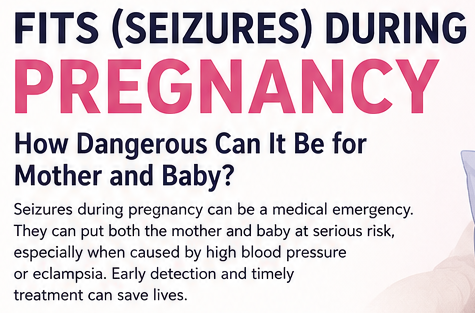
Fits, also called seizures, during pregnancy should never be ignored. A seizure can happen suddenly and may be very frightening for the pregnant woman and her family. It can affect both the mother and the baby, especially if medical care is delayed. While some women may have a history of epilepsy, seizures during pregnancy can also be caused by serious pregnancy-related conditions such as eclampsia.
A seizure occurs when there is sudden abnormal electrical activity in the brain. During a fit, a person may lose consciousness, have uncontrolled shaking or jerking movements, become stiff, or appear confused after the episode. In pregnancy, seizures can occur for different reasons, but they always require prompt medical evaluation.
One of the most serious causes of seizures during pregnancy is eclampsia. Eclampsia usually develops from preeclampsia, a condition characterized by high blood pressure and signs of organ stress. Symptoms of preeclampsia may include severe headache, blurred vision, swelling of the face or hands, and protein in the urine.
Another possible cause is epilepsy. Women who have epilepsy before pregnancy may continue to have seizures during pregnancy, especially if medications are not taken regularly or need adjustment. Other causes may include low blood sugar, dehydration, electrolyte imbalance, infections, or certain neurological conditions.
A seizure during pregnancy can be dangerous because it may reduce oxygen supply to the mother and baby. The mother may also be at risk of injury from falling or uncontrolled movements during the seizure. In severe cases, eclampsia can lead to stroke, organ damage, excessive bleeding, or complications during delivery.
For the baby, seizures in the mother may cause fetal distress, reduced oxygen supply, premature birth, or low birth weight. This is why fits during pregnancy are considered a medical emergency and should be treated immediately.
A pregnant woman should seek urgent medical attention if she experiences a seizure or fit. Other warning signs include severe headache, blurred vision, flashing lights, sudden swelling of the face or hands, high blood pressure readings, severe upper abdominal pain, or reduced baby movements. These symptoms may indicate preeclampsia or eclampsia and require immediate evaluation by a healthcare professional.
If a pregnant woman has a seizure, it is important to stay calm and call for emergency medical help. She should be laid on her side to help keep the airway clear and reduce the risk of choking. Nearby objects should be removed to prevent injury. Do not put anything in her mouth and do not try to hold her down during the seizure. After the fit stops, she should be taken to the nearest hospital for medical assessment.
Doctors may perform several tests to determine the cause of the seizure. These tests may include blood pressure measurement, urine tests for protein, blood tests to check sugar levels and organ function, and fetal monitoring to assess the baby’s condition. If epilepsy or another neurological condition is suspected, further neurological evaluation may also be required.
Treatment depends on the underlying cause of the seizure. In cases of eclampsia, doctors may use medications such as magnesium sulfate to control seizures and medications to manage high blood pressure. If the seizure is related to epilepsy, anti-seizure medications may need to be adjusted to ensure safety for both mother and baby. Other causes, such as low blood sugar or dehydration, are treated by correcting the underlying problem.
In some severe cases of eclampsia, early delivery of the baby may be necessary to protect the health of both the mother and the child.
Regular antenatal check-ups are one of the best ways to reduce the risk of complications during pregnancy. Blood pressure should be monitored regularly, and any symptoms such as headache, vision changes, or swelling should be reported to the doctor promptly. Pregnant women should take prescribed medications as directed, maintain a healthy diet, stay hydrated, and avoid missing follow-up appointments. Women with a history of epilepsy should consult both their neurologist and obstetrician before and during pregnancy.
A seizure during pregnancy is especially high risk when it is caused by eclampsia, a serious complication of pregnancy associated with high blood pressure. Eclampsia can lead to complications such as stroke, organ damage, breathing problems, excessive bleeding, and complications during delivery.
Injury from falling during the seizure
Reduced oxygen supply to the body
Stroke or brain injury in severe cases
Liver or kidney complications
Excessive bleeding or complications during childbirth
Reduced oxygen supply
Fetal distress
Premature birth
Low birth weight
In severe cases, risk to the baby’s life
Any new seizure during pregnancy should be treated as a medical emergency until the cause is identified. If the seizure is related to eclampsia, the pregnancy is classified as high-risk and requires close monitoring, hospital care, and often specialist obstetric management.
If the woman has pre-existing epilepsy, the pregnancy may also be considered high risk, but the level of risk depends on seizure control, medication safety, and overall maternal health. Many women with well-controlled epilepsy have healthy pregnancies with proper medical supervision.
Seek urgent medical attention immediately if a pregnant woman experiences:
A seizure or fit
Severe headache
Blurred vision or flashing lights
Sudden swelling of the face, hands, or feet
High blood pressure readings
Severe abdominal pain
Reduced baby movements
A fit during pregnancy is not a mild or moderate risk; it is generally considered a high-risk pregnancy situation, especially if related to high blood pressure or eclampsia. Immediate evaluation by an obstetrician and appropriate medical treatment are essential to protect both mother and baby.
If this question is about a specific patient, the exact risk level should be assessed by a healthcare provider based on blood pressure, urine protein, gestational age, seizure history, and the baby’s condition.
Fits during pregnancy can be life-threatening for both the mother and the baby. They may be caused by eclampsia, epilepsy, or other medical conditions, but in all cases they require immediate medical attention. Early recognition of warning signs and timely treatment can greatly reduce the risk of serious complications.
If a pregnant woman experiences a seizure, do not delay seeking emergency medical care. Regular prenatal care and prompt treatment of high blood pressure or other health conditions can help ensure a safer pregnancy and delivery.
fits during pregnancy
seizures during pregnancy
pregnancy seizures
pregnancy seizure symptoms
causes of seizures during pregnancy
eclampsia symptoms
eclampsia during pregnancy
high blood pressure in pregnancy
pregnancy complications
pregnancy emergency signs
high-risk pregnancy symptoms
pregnancy seizure causes
what causes fits during pregnancy
is seizure during pregnancy dangerous
risks of seizures in pregnancy
fetal distress due to seizures
maternal health during pregnancy
pregnancy safety tips
when to seek emergency care during pregnancy
treatment for seizures during pregnancy


.png)

.png)