Pregnancy After 35
- Home
- /
- Pregnancy After 35
.png)
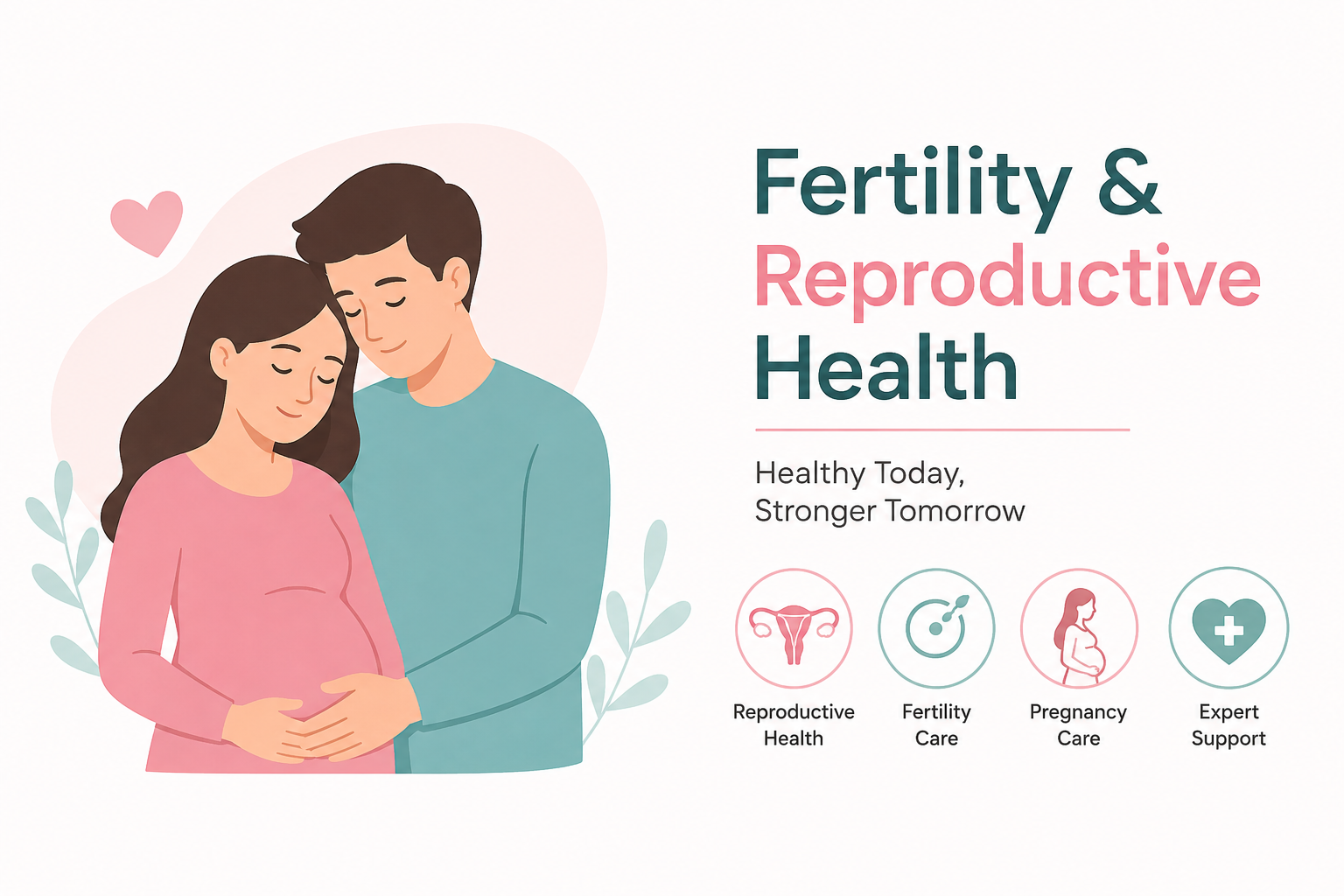
Today, many women are choosing pregnancy later in life due to career goals, personal planning, financial stability, or late marriage. Because of this, pregnancy after the age of 35 has become increasingly common around the world.
While many women have healthy pregnancies after 35, doctors consider it a higher-risk pregnancy category because certain complications may become more common with age.
The good news is that with proper medical care, healthy lifestyle habits, and early monitoring, many women can safely experience motherhood after 35.
Pregnancy occurring at the age of 35 years or older is medically called:
This does not mean pregnancy is impossible or unsafe. It simply means extra attention and monitoring may be needed during pregnancy.
Modern women are increasingly delaying pregnancy because of:
Awareness and modern reproductive care have made pregnancy after 35 more manageable than before.
Yes.
Many women naturally conceive and deliver healthy babies after 35.
However, fertility may gradually decline with age because:
Some couples may need fertility evaluation or treatment support if conception takes longer.
Although many pregnancies remain healthy, doctors monitor certain risks more carefully.
Fertility naturally decreases with age, so some couples may experience delays in conception.
The risk of miscarriage may increase slightly because of age-related changes in egg quality.
Gestational Diabetes becomes more common in pregnancies after 35.
This is why regular sugar monitoring is important.
Older maternal age may increase the risk of:
Regular antenatal checkups help monitor these conditions.
Women above 35 may have slightly higher chances of requiring:
However, many women still have normal vaginal deliveries.
The risk of certain genetic conditions may increase with maternal age.
Doctors may recommend:
when required.
If possible, avoid delaying pregnancy unnecessarily once family planning begins.
Early fertility consultation can help couples understand reproductive health better.
Both obesity and being underweight may increase pregnancy complications.
Healthy body weight supports:
Healthy nutrition is extremely important.
Avoid excessive junk food and processed sugar.
Moderate physical activity during pre-pregnancy and pregnancy supports:
Always exercise under medical guidance during pregnancy.
Smoking and alcohol may negatively affect:
Avoiding harmful habits improves maternal and fetal wellbeing.
Doctors often recommend:
to support healthy pregnancy development.
At Shubham Care Hospital, regular pregnancy monitoring helps detect complications early.
Early care helps improve both mother and baby health.
Pregnancy after 35 may sometimes bring:
Family support, counseling, healthy routines, and doctor guidance play an important role in emotional wellbeing during pregnancy.
Women above 35 should consider fertility consultation if:
Early evaluation improves treatment options and outcomes.
Today, advanced fertility care offers several options such as:
Modern reproductive medicine has helped many couples successfully achieve parenthood after 35.
Pregnancy after 35 is becoming increasingly common in modern society.
While some risks may increase with age, healthy lifestyle habits, early planning, regular medical care, and emotional support can help women experience safe and healthy motherhood.
Every pregnancy journey is unique, and timely consultation with experienced gynecologists can make a significant difference.
pregnancy after 35, advanced maternal age pregnancy, risks of pregnancy after 35, healthy pregnancy tips, fertility after 35, late pregnancy care, high-risk pregnancy, conceiving after 35, pregnancy complications, women fertility health
#PregnancyAfter35 #AdvancedMaternalAge #WomenHealth #HealthyPregnancy #HighRiskPregnancy #FertilityCare #MotherhoodJourney #PregnancyTips #Gynecology #ShubhamCareHospital

.png)

.png)