Unknown Symptoms of Endometriosis
- Home
- /
- Unknown Symptoms of Endometriosis
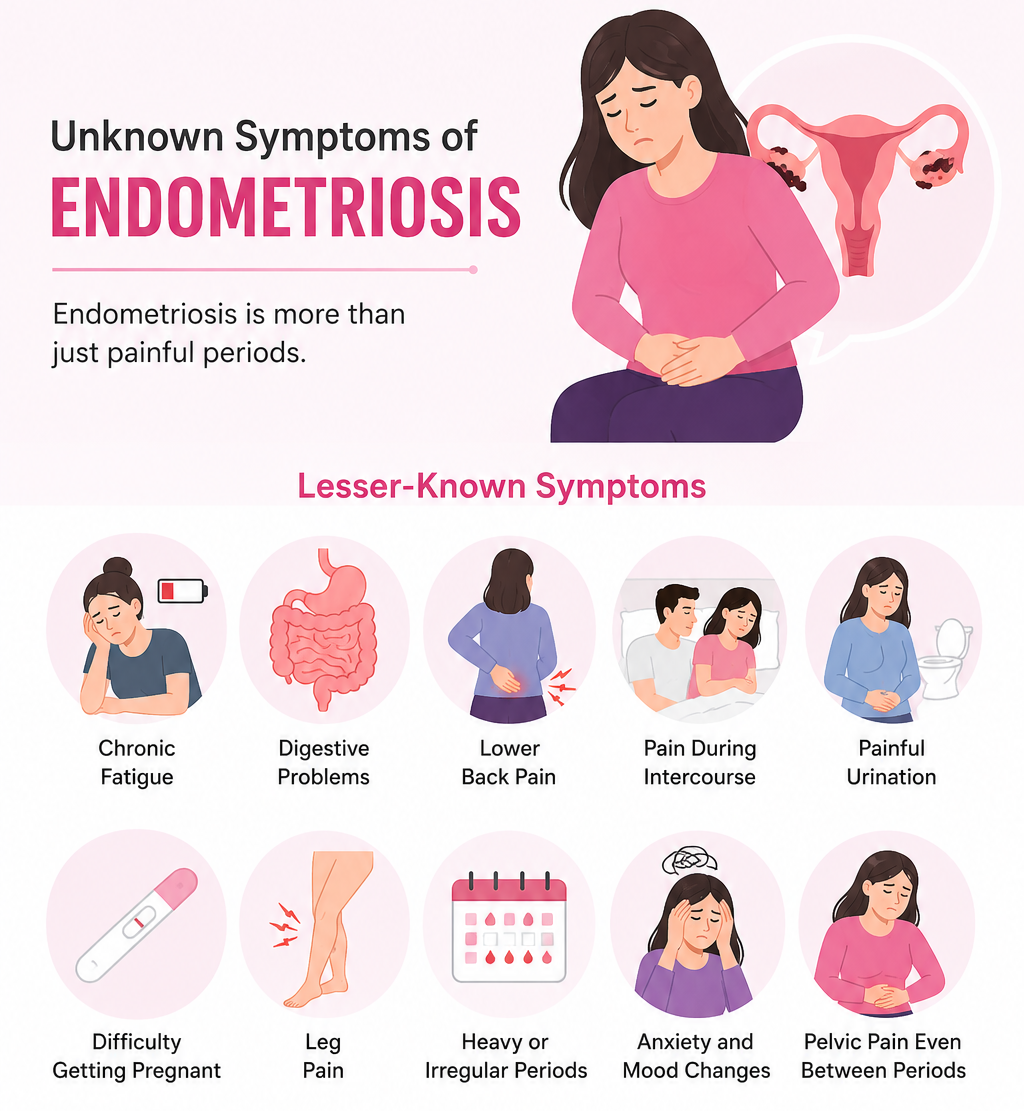
Endometriosis is a common gynecological condition that affects millions of women worldwide. However, many women remain undiagnosed for years because the symptoms are often mistaken for normal menstrual discomfort or other health problems.
While severe period pain is a well-known symptom, there are several hidden or lesser-known signs of endometriosis that every woman should be aware of.
Endometriosis occurs when tissue similar to the lining of the uterus (endometrium) grows outside the uterus. These growths can develop on the ovaries, fallopian tubes, pelvic lining, bladder, bowel, and other pelvic organs.
Each month, this tissue responds to hormonal changes, causing inflammation, pain, and sometimes scar tissue formation.
Many women with endometriosis experience extreme tiredness even after adequate rest.
Why it happens:
Endometriosis is often confused with digestive disorders.
Common symptoms include:
These symptoms may worsen around menstrual periods.
Persistent lower back pain can be a hidden sign of endometriosis, especially if it worsens before or during periods.
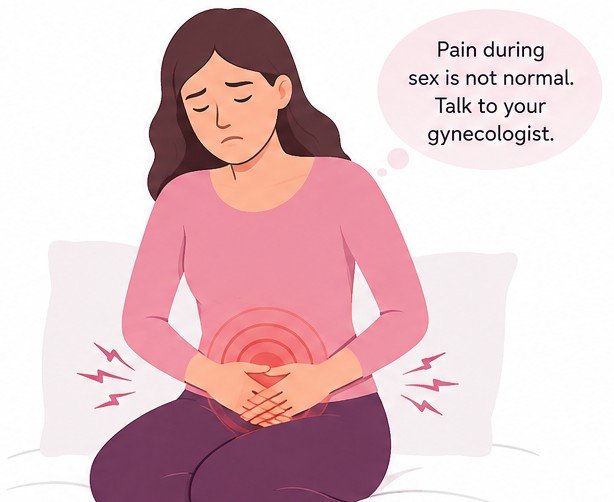
Deep pelvic pain during intimacy is a common but frequently unspoken symptom of endometriosis.
Women should not ignore recurring pain during sexual activity.
If endometriosis affects the bladder, symptoms may include:
In some women, infertility may be the first sign of endometriosis.
The condition can:
Endometrial tissue may irritate pelvic nerves, causing:
Women may experience:
Chronic pain and hormonal fluctuations can contribute to:
Many women assume endometriosis pain occurs only during menstruation. However, pelvic pain may continue throughout the month.
The exact cause remains unclear, but possible factors include:
You may have a higher risk if:
Consult a specialist if you experience:
✅ Severe period pain
✅ Chronic pelvic pain
✅ Pain during intercourse
✅ Unexplained infertility
✅ Heavy menstrual bleeding
✅ Digestive symptoms linked to periods
✅ Persistent fatigue
Early diagnosis can help prevent complications and improve quality of life.
Your gynecologist may recommend:
3D Laparoscopic Surgery is considered one of the most effective methods for diagnosis and treatment in selected cases.
Treatment depends on symptoms, age, and pregnancy plans.
For moderate to severe cases, minimally invasive surgery may be recommended.
3D Laparoscopic Surgery can help remove endometriosis tissue with greater precision and faster recovery.
At Shubham Care Hospital, women receive comprehensive care for:
Dr. Shailesh Jain
Experienced in advanced gynecological and laparoscopic procedures with a patient-centered approach.
Shubham Care Hospital
201, Giriraj Nagar, Mansarovar, Jaipur, Rajasthan
Appointment & Enquiry: 9509438568
Endometriosis is more than just painful periods. Symptoms like fatigue, digestive issues, back pain, infertility, painful intercourse, and mood changes may also indicate the condition. Recognizing these hidden signs early can lead to timely diagnosis and effective treatment.
If you are experiencing any of these symptoms, consult Dr. Shailesh Jain at Shubham Care Hospital, Jaipur for expert evaluation and personalized care.
Endometriosis Symptoms, Hidden Symptoms of Endometriosis, Endometriosis Treatment Jaipur, Best Gynecologist in Jaipur, Endometriosis and Infertility, Pelvic Pain Treatment, Endometriosis Diagnosis, 3D Laparoscopic Surgery Jaipur, Women's Health Specialist Jaipur, Dr Shailesh Jain Gynecologist, Shubham Care Hospital Jaipur, Endometriosis Causes and Treatment, Endometriosis Awareness, Chronic Pelvic Pain in Women, Endometriosis Expert Jaipur.

.png)

.png)