What is IUI? IUI (Intrauterine Insemination)
- Home
- /
- What is IUI? IUI (Intrauterine Insemination)

SEO Title: IUI Treatment Explained: What, Why, When, Procedure, Success Rate & Recovery
Meta Description: Learn everything about IUI treatment in simple English. Know what IUI is, who needs it, procedure, admission, success rate, precautions, recovery, and pregnancy chances.
Riya and Aman had been trying to have a baby for over two years. Every month they hoped for good news, but the pregnancy test was negative. Worried and stressed, they visited a fertility specialist. After a few simple tests, the doctor explained that Riya had irregular ovulation and Aman had mildly low sperm motility. Instead of suggesting IVF immediately, the doctor recommended IUI (Intrauterine Insemination)—a simple, safe, and affordable fertility treatment. Their story is similar to many couples who achieve pregnancy with timely medical care.
IUI (Intrauterine Insemination) is a fertility treatment in which specially prepared healthy sperm are placed directly inside the uterus around the time of ovulation. This shortens the distance sperm need to travel to reach the egg and increases the chances of fertilization. The procedure is quick, minimally invasive, and usually takes only 5–10 minutes.
Doctors recommend IUI for couples who are unable to conceive naturally due to mild male infertility, irregular ovulation, unexplained infertility, cervical mucus problems, mild endometriosis, or sexual difficulties. It is often the first fertility treatment before considering IVF, especially when at least one fallopian tube is open and the sperm quality is suitable.
If you are under 35 years of age and have been trying to conceive for one year without success, or over 35 years and trying for six months, you should consult a fertility specialist. Women with PCOS, irregular periods, previous miscarriages, or couples with abnormal semen reports may also benefit from an early fertility evaluation.
The treatment begins with a fertility consultation, ultrasound scans, hormone tests, and semen analysis. Medicines may be given to stimulate egg growth, and the doctor monitors ovulation through ultrasound. When the egg is ready, an ovulation trigger injection is given. On the day of the procedure, the semen sample is collected and processed in the laboratory to select the healthiest sperm. These prepared sperm are then gently placed inside the uterus using a thin catheter. The procedure is almost painless, does not require anesthesia, and most women experience only mild discomfort.
No. IUI is a day-care procedure, so hospital admission is usually not required. After the treatment, the patient rests for about 15–30 minutes and can return home the same day. Normal daily activities can usually be resumed, although following the doctor's advice regarding medications and lifestyle is important.
After the procedure, continue prescribed medicines, eat a healthy diet, stay hydrated, avoid smoking and alcohol, and reduce stress. Light spotting or mild cramps may occur but usually settle quickly. A blood pregnancy test (Beta hCG) is generally performed about 14 days after IUI to check the result.
The success of IUI depends on factors such as the woman's age, egg quality, sperm quality, and the cause of infertility. On average, pregnancy rates are around 10–20% per cycle, with better outcomes in younger women and couples with favorable fertility factors. If pregnancy does not occur after a few cycles, your doctor may discuss other treatment options such as IVF.
IUI is simple, affordable, minimally invasive, and does not require surgery or overnight hospitalization. It has a short recovery time and is an effective first-line fertility treatment for many couples with mild infertility problems.
Seek medical advice immediately if you develop severe abdominal pain, heavy bleeding, fever, foul-smelling vaginal discharge, or any unusual symptoms after the procedure. Although complications are uncommon, prompt medical attention is important.
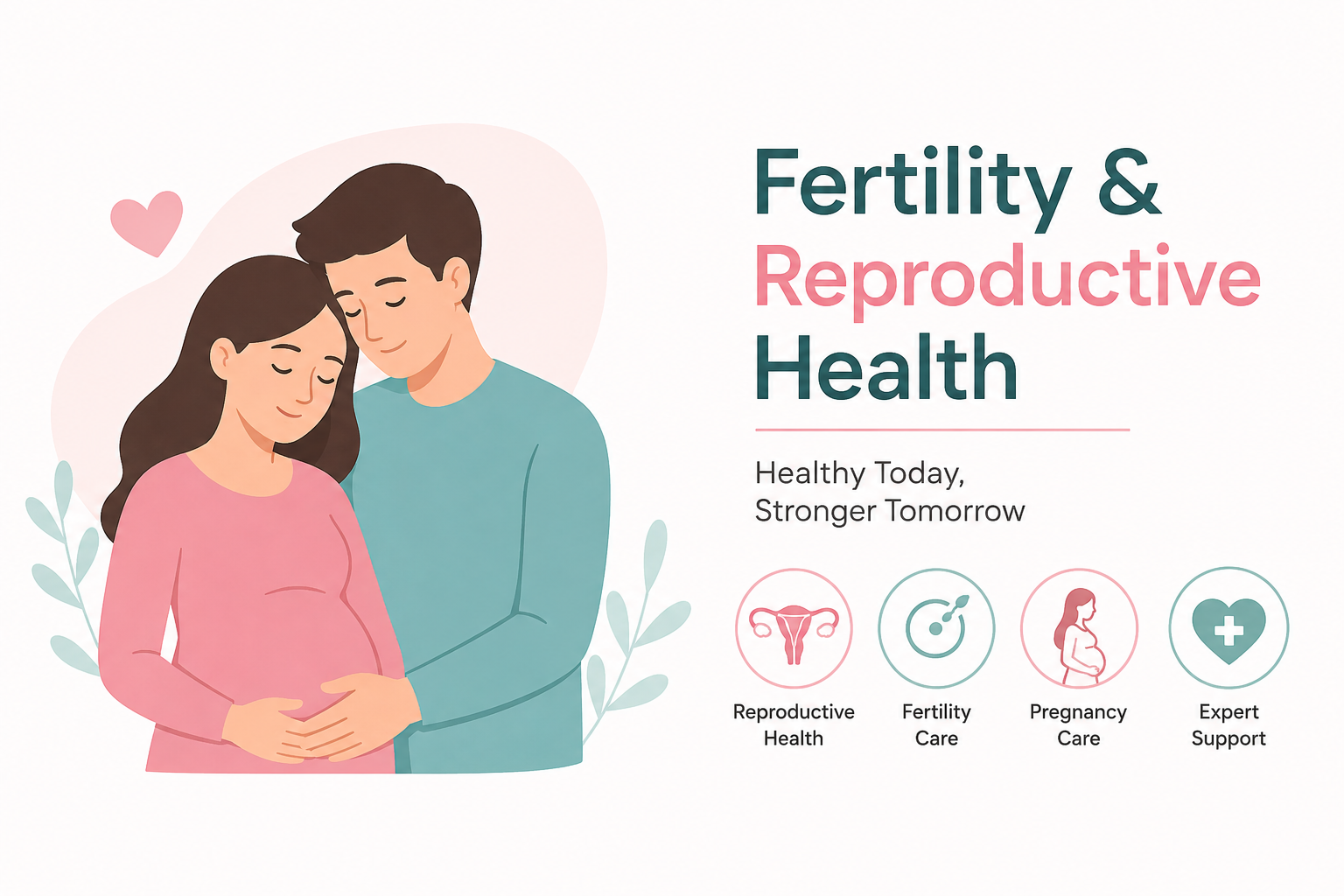
IUI offers hope to many couples struggling with infertility. Early diagnosis, proper fertility evaluation, healthy lifestyle changes, and treatment by an experienced fertility specialist can significantly improve the chances of pregnancy. If you have been trying to conceive without success, don't wait too long—timely consultation can make a big difference.
At Shubham Care Hospital, Jaipur, we provide comprehensive infertility evaluation, ovulation monitoring, IUI treatment, fertility counseling, and personalized care using modern technology. Our experienced team is committed to helping couples achieve their dream of parenthood in a safe and compassionate environment.
Consultant:
Dr. Shailesh Jain
MBBS, DGO, DNB (Obs & Gynae)
Senior Obstetrician, Gynecologist & Laparoscopic Surgeon
Appointments : 9509438568
Book your consultation today and take the first step towards your parenthood journey.
IUI treatment, What is IUI, IUI procedure, IUI success rate, Fertility treatment, Infertility treatment, IUI in Jaipur, Best fertility doctor, Pregnancy after IUI, Intrauterine Insemination, Male infertility, Female infertility, Ovulation treatment, Fertility specialist Jaipur, Shubham Care Hospital.


.png)

.png)