Why Every Mother Should Monitor Her Hemoglobin
- Home
- /
- Why Every Mother Should Monitor Her Hemoglobin
Anemia in Pregnancy: Symptoms, Causes, Risks & Treatment | Healthy Pregnancy Guide
Learn everything about anemia during pregnancy, including symptoms, causes, risks to mother and baby, diagnosis, prevention, diet, and treatment options for a healthy pregnancy.
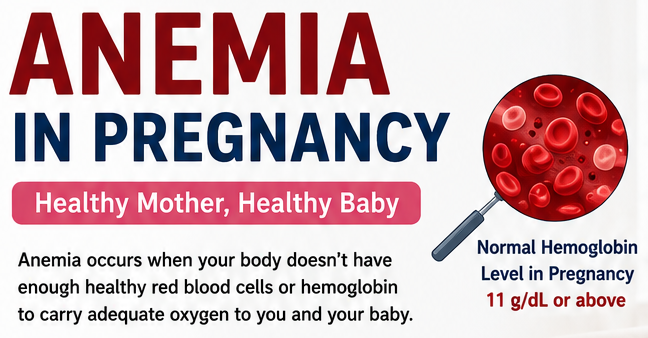
Anemia is one of the most common health problems during pregnancy, especially in India. It occurs when the body does not have enough healthy red blood cells or hemoglobin to carry adequate oxygen to the body's tissues and the growing baby.
Many pregnant women experience mild anemia, but if left untreated, severe anemia can increase the risk of pregnancy complications for both mother and baby.
The good news is that anemia can usually be prevented and treated with proper nutrition, regular prenatal checkups, and timely medical care.
This guide explains everything you need to know about anemia in pregnancy, including symptoms, causes, risks, diagnosis, treatment, and prevention.
Hemoglobin is a protein found in red blood cells that carries oxygen throughout the body.
During pregnancy, the body produces more blood to support the growing baby. If there is not enough iron, folic acid, vitamin B12, or other nutrients to produce sufficient red blood cells, anemia can develop.
Pregnant women are generally considered anemic when their hemoglobin level is below 11 g/dL.
Adequate hemoglobin levels help:
✔ Deliver oxygen to the baby
✔ Support fetal growth and development
✔ Maintain maternal energy levels
✔ Reduce pregnancy complications
✔ Improve recovery after delivery
This is the most common type of anemia in pregnancy.
Iron is essential for producing hemoglobin. Increased iron requirements during pregnancy can lead to deficiency if dietary intake is inadequate.
Folic acid helps produce healthy red blood cells and supports the baby's brain and spinal cord development.
Vitamin B12 is necessary for red blood cell production and nervous system health.
Women carrying twins or triplets often require more iron and nutrients.
Closely spaced pregnancies may not allow enough time for the body to replenish iron stores.
An unbalanced diet lacking iron-rich foods can increase the risk of anemia.
Mild anemia may not cause noticeable symptoms initially.
As anemia becomes more severe, symptoms may include:
Seek medical attention if you experience:
???? Severe weakness
???? Fainting episodes
???? Difficulty breathing
???? Chest pain
???? Extremely low energy levels
???? Palpitations
You may be at higher risk if you:
Untreated anemia can affect both mother and baby.
Low hemoglobin reduces oxygen delivery to body tissues.
Severe anemia may weaken the immune system.
Women with severe anemia may face greater complications if excessive bleeding occurs during childbirth.
Severe anemia increases the risk of preterm delivery.
Babies may have slower growth in the womb.
Insufficient oxygen supply can affect development.
Babies may have lower iron stores after birth.
Regular prenatal checkups help identify anemia early.
Measures:
May include:
In selected cases:
| Severity | Hemoglobin Level |
|---|---|
| Normal | 12 g/dL or above |
| Mild Anemia | 10 – 10.9 g/dL |
| Moderate Anemia | 7 – 9.9 g/dL |
| Severe Anemia | Below 7 g/dL |
Treatment depends on the severity and underlying cause.
Most pregnant women require iron supplementation.
Benefits include:
✔ Increased hemoglobin
✔ Better energy levels
✔ Improved fetal oxygen supply
Take supplements only as prescribed by your doctor.
Folic acid helps improve red blood cell production and prevents birth defects.
Recommended when deficiency is identified.
Some women may require intravenous (IV) iron therapy if:
In severe anemia, blood transfusion may occasionally be necessary under medical supervision.
Good combinations include:
✔ Iron tablets with lemon water
✔ Spinach with citrus fruits
✔ Iron-rich meals with oranges
Vitamin C improves iron absorption significantly.
Avoid consuming these immediately after iron tablets:
❌ Tea
❌ Coffee
❌ Excess milk
❌ Calcium supplements
These can reduce iron absorption.
✅ Eat a balanced diet
✅ Take prescribed prenatal vitamins
✅ Attend regular antenatal checkups
✅ Take iron and folic acid supplements regularly
✅ Include vitamin C-rich foods
✅ Monitor hemoglobin levels throughout pregnancy
Consult your gynecologist if you experience:
Early diagnosis can prevent serious complications.
Pregnancy mein anemia ka timely diagnosis aur treatment bahut zaroori hota hai. Low hemoglobin ko ignore karne se mother aur baby dono ke health risks badh sakte hain. Regular antenatal checkups aur proper treatment se anemia ko effectively manage kiya ja sakta hai.
Dr. Shailesh Jain (MBBS, DGO, DNB) ek experienced Obstetrician, Gynecologist aur High-Risk Pregnancy Specialist hain, jo pregnancy ke dauran anemia, gestational diabetes, hypertension aur anya pregnancy complications ka comprehensive management provide karte hain.
✔ Pregnancy Anemia Screening
✔ Hemoglobin Monitoring
✔ Iron Deficiency Anemia Treatment
✔ Iron Infusion Therapy Guidance
✔ High-Risk Pregnancy Management
✔ Antenatal Checkups
✔ Pregnancy Nutrition Counseling
✔ Normal Delivery & Cesarean Care
✔ Maternal & Fetal Monitoring
Shubham Care Hospital women’s healthcare, pregnancy care, infertility treatment aur advanced gynecological services ke liye dedicated center hai. Hospital mein modern diagnostic facilities aur personalized pregnancy care available hai.
✔ Routine Pregnancy Checkups
✔ High-Risk Pregnancy Care
✔ Anemia Management During Pregnancy
✔ Fetal Growth Monitoring
✔ Ultrasound Guidance
✔ Delivery Services
✔ Postnatal Care
✔ Women's Health Services
???? Address:
Shubham Care Hospital
201, Girraj Nagar, ISKCON Road, Mansarovar, Jaipur – 302029
???? Appointment: +91 9509438568
???? Website: shubhamcare.in
If you are experiencing fatigue, weakness, low hemoglobin levels, dizziness, or have been diagnosed with anemia during pregnancy, early medical consultation can help prevent complications and support a healthier pregnancy journey.
Consult Dr. Shailesh Jain at Shubham Care Hospital, Jaipur for expert pregnancy care and anemia management.
Yes. Iron deficiency anemia is one of the most common pregnancy-related health conditions worldwide.
Yes. Severe untreated anemia can increase the risk of low birth weight and premature birth.
In most cases, anemia can be successfully treated with supplements, diet changes, and proper medical care.
Pomegranate, oranges, sweet lime, guava, and other vitamin C-rich fruits can support iron absorption.
Your doctor will recommend testing based on your pregnancy stage and individual health condition.
Anemia during pregnancy is common but should never be ignored. Low hemoglobin levels can affect the health of both mother and baby, leading to complications if left untreated. Regular antenatal checkups, iron-rich nutrition, timely supplementation, and early treatment can help maintain healthy hemoglobin levels and ensure a safer pregnancy.
By recognizing symptoms early and following your doctor's recommendations, you can protect yourself and support your baby's healthy growth throughout pregnancy.
SEO Keywords: Anemia in Pregnancy, Low Hemoglobin During Pregnancy, Iron Deficiency Anemia, Pregnancy Hemoglobin Levels, Iron Rich Foods in Pregnancy, Anemia Treatment During Pregnancy, Pregnancy Nutrition, Iron Supplements Pregnancy, Maternal Health, Healthy Pregnancy Guide.
.png)

.png)